
Our Office
Visit Us Online


At Maryville Family Dentistry, we focus on restorative solutions that preserve tooth structure and restore function with a natural appearance. Ceramic crowns are one of the most versatile tools in modern dentistry — they rebuild damaged teeth, protect treated teeth, and produce lifelike results that blend with your smile. This page explains when a crown is appropriate, what makes ceramic crowns different, how materials are chosen, and what you can expect during treatment.
Although dental enamel is the hardest substance in the body, teeth are still vulnerable to decay, fractures, wear, and the effects of dental procedures. A filling can repair small areas of damage, but when more than a modest portion of the tooth is affected, a full-coverage crown often provides a stronger, longer-lasting solution. Ceramic crowns restore form and function while offering excellent aesthetics.
Advances in dental ceramics mean clinicians can offer restorations that are both robust and highly cosmetic without relying on metal substructures. From thin, translucent materials suited to front teeth to very strong monolithic ceramics designed for back teeth, today’s options allow us to prioritize both durability and appearance when restoring your bite.
We approach every restoration with the individual patient in mind: preserving as much natural tooth as possible, selecting a material that matches the tooth’s role and appearance, and designing the crown to work with the rest of the mouth. Below you’ll find clear, practical information to help you understand ceramic crowns and how they may fit into your treatment plan.
Not every damaged tooth needs a crown, but there are clear situations where a crown is the most predictable option. Crowns are recommended when a tooth has lost substantial structure from decay or trauma, when an old restoration has failed, or when a tooth needs protection after endodontic (root canal) therapy. They replace weakened enamel and dentin with a supportive outer shell that restores chewing ability.
Teeth that have been repeatedly repaired with large fillings often become brittle and are prone to cracking. A crown redistributes biting forces across the restored tooth and reduces the risk of further fractures. Crowns also serve as the final restoration for dental implants and can be used to anchor dental bridges when replacing missing teeth.
Beyond strength, crowns are used for cosmetic correction when a tooth is misshapen, discolored beyond the ability of whitening, or slightly misaligned. Because ceramic crowns can be color-matched and shaped to mimic natural enamel, they are frequently chosen for teeth that are visible when you smile.
Your dentist will evaluate the tooth’s remaining structure, location in the mouth, bite dynamics, and cosmetic goals to determine whether a crown or a more conservative restoration is the right choice. This careful planning is the foundation of long-term success.
To rebuild a tooth with extensive structural damage from decay or injury
To replace a large or fractured dental filling
To restore a dental implant's visible portion
To cap the teeth that support a traditional dental bridge
To protect a tooth after root canal treatment
To improve the appearance of a dark or misshapen tooth
To correct bite discrepancies and improve function

All-ceramic crowns are valued for their lifelike optical properties and excellent tissue compatibility. Unlike restorations that rely on a metal core, modern ceramics can reproduce enamel translucency and surface texture, so the restoration appears more natural under varied lighting. This aesthetic advantage makes ceramic crowns the first choice for front teeth and for patients who want seamless results.
Biocompatibility is another consideration: ceramic materials are metal-free, which reduces the chance of allergic reactions or soft-tissue irritation associated with some metal components. Ceramic restorations also resist staining and maintain their appearance over time when properly cared for.
Strength has improved dramatically in recent years. New ceramic formulations deliver mechanical properties that meet the demands of chewing forces, even for posterior restorations. While selection of the right ceramic depends on the tooth’s role, clinicians can now offer options that balance translucency and toughness for predictable clinical performance.
For patients concerned about both appearance and longevity, ceramic crowns offer a combination of advantages: superior esthetics, favorable tissue response, and materials engineered to withstand normal use when placed with appropriate technique.
Excellent color match and translucency similar to natural teeth
Requires less metal exposure, eliminating dark margins at the gumline
Can be designed with minimal reduction in some situations, preserving tooth structure
Lightweight, stain-resistant, and kind to surrounding gums
Metal-free composition for patients with metal sensitivities
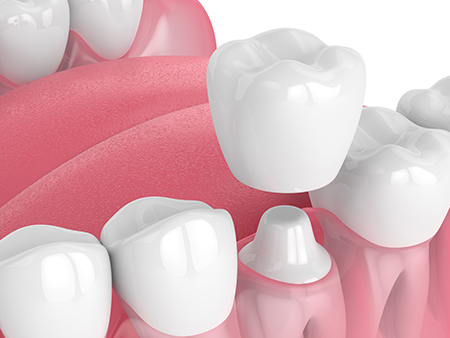
Not all ceramics are identical, and the clinician’s role is to match material properties to the demands of each tooth. Factors that guide the choice include the tooth’s position (front versus back), how much opposing force it receives, aesthetic expectations, and how much natural tooth remains. This tailored approach helps ensure a durable, harmonious result.
Common choices include lithium disilicate, which offers a pleasing balance of translucency and strength for many anterior and some posterior crowns; pressable porcelain reinforced with leucite for excellent cosmetic effects; and zirconia in monolithic or layered forms for high-strength needs in the back of the mouth. High-translucency zirconia is now available for situations requiring both strength and improved appearance.
Each material has trade-offs: some ceramics excel at mimicking enamel but are less tensile-resistant, while others prioritize toughness at the cost of translucency. Your dentist will discuss which option best aligns with your functional needs and smile goals, explaining the expected performance and appearance of the chosen material.
Because technology continues to evolve, we stay current with material science and laboratory techniques so we can recommend restorations that meet modern standards for longevity and esthetics.
Lithium Disilicate porcelain crowns
Leucite-reinforced pressable porcelain crowns
Solid or monolithic zirconia crowns
High-translucency zirconia crowns

The crown process begins with a careful assessment and diagnostic records, including exam, radiographs, and digital impressions when indicated. Treatment planning considers the tooth’s condition, bite relationships, and adjacent teeth so the final restoration integrates smoothly with your smile and function.
To prepare the tooth, your provider will remove damaged tissue and shape the remaining tooth to create a stable foundation. If the tooth has had root canal therapy or extensive decay, additional buildup or a post may be used to provide internal support. Local anesthesia ensures the procedure is comfortable.
Many practices offer same-day CAD/CAM milling to design and produce ceramic crowns in a single visit, while other cases are sent to a specialized dental laboratory for custom fabrication. Whether manufactured in-office or by a trusted lab, the crown is finished to match shade and contours before final cementation. Your dentist will check fit, bite, and esthetics before permanently bonding the restoration.
After placement, routine care includes good oral hygiene, regular dental check-ups, and avoiding habits that can damage restorations, such as chewing on hard objects. With proper maintenance, ceramic crowns can provide years of reliable service.
We emphasize a thoughtful, individualized approach to restorative care so each crown contributes to long-term oral health and confidence. That means combining precise diagnosis, material selection based on function and esthetics, and careful laboratory or in-office fabrication to achieve predictable results.
Our team works to make treatment as comfortable and convenient as possible while maintaining high standards for fit and finish. We coordinate every phase — from imaging and preparation to final adjustments — so your restoration functions well and looks natural within your smile.
When a crown is recommended, the goal is not simply to cover a tooth but to restore chewing function, protect remaining tissue, and create an appearance that blends seamlessly with your partner teeth. We take pride in delivering restorations that meet those goals with materials and techniques suited to each patient’s needs.
If you’d like to learn more about ceramic crowns and whether they are right for you, please contact us for more information. We’re happy to explain your options and help you make an informed choice about restorative care.
Ceramic crowns are tooth-shaped restorations fabricated from dental ceramics that cover a damaged or weakened tooth to restore form and function. They reproduce natural enamel translucency and surface texture so they blend with adjacent teeth while protecting the underlying structure. Clinicians typically recommend crowns when a tooth has extensive decay, a large or fractured filling, a fracture, or after root canal therapy to provide reliable support.
Crowns are also indicated for the visible replacement of an implant-supported tooth or to anchor a traditional bridge when replacing a missing tooth. They can address cosmetic concerns when discoloration or shape cannot be corrected with whitening or bonding alone. Your dentist will evaluate the tooth’s remaining structure, bite relationships, and aesthetic goals before recommending a crown.
All-ceramic crowns lack a metal core and therefore avoid the dark margins that can appear at the gumline with some metal-based restorations. Modern ceramics are engineered to deliver a natural optical appearance with improved translucency, which makes them the preferred choice for front teeth and other areas where esthetics are critical. In addition to their appearance, ceramic materials are metal-free, which reduces the potential for metal-related soft-tissue reactions.
Historically, metal-ceramic crowns provided strength through a metal substructure, but developments in ceramic chemistry now permit high-strength monolithic options suitable for posterior function. Material selection balances translucency and toughness depending on the tooth’s role. Your clinician will explain the trade-offs so you understand how the chosen design supports both appearance and mechanical demands.
Common ceramic materials include lithium disilicate, leucite-reinforced pressable porcelain, and various formulations of zirconia, each offering different balances of translucency and strength. Lithium disilicate often suits anterior teeth and some posterior cases where esthetics matter, while monolithic zirconia provides high fracture resistance for heavy chewing forces in the back of the mouth. High-translucency zirconia and layered ceramics are options when both strength and improved appearance are required.
The clinician selects a material based on the tooth's position, the amount of remaining tooth structure, occlusal forces, and the patient's cosmetic expectations. Understanding these factors ensures the restoration performs predictably and integrates visually with adjacent teeth. Material science and laboratory or milling techniques also influence the final outcome, so practitioners stay current with available options.
At Maryville Family Dentistry the process begins with a thorough evaluation that may include an oral exam, radiographs and digital impressions to document the tooth and surrounding structures. The tooth is prepared by removing damaged tissue and shaping the remaining structure to create a stable foundation; additional buildup or a post may be used if internal support is needed. Local anesthesia is used to ensure comfort during preparation and restoration procedures.
Depending on the case, crowns can be fabricated in-office using CAD/CAM milling or sent to a dental laboratory for custom fabrication. The restoration is adjusted for fit, occlusion and esthetics before final cementation, and the clinician will confirm that bite relationships and contours work harmoniously with adjacent teeth. Postoperative instructions include guidance on oral hygiene and any short-term sensitivity to expect after placement.
Crown preparation involves removing any diseased or weakened tooth structure and shaping the remaining tooth so the crown will seat securely and align with the bite. When necessary, the clinician may place a core buildup or post to reinforce the tooth before the crown is made; impressions or digital scans are then taken to capture precise details for fabrication. Local anesthesia ensures that the preparation is comfortable, and temporary protection may be used if a lab-fabricated crown is required.
At final placement the dentist will verify the crown’s fit, check contacts and occlusion, and make any minor adjustments for comfort and function before permanent cementation. Final polishing and finishing ensure a smooth transition at the gumline and a natural appearance. After placement, regular dental visits and proper home care help monitor the restoration and surrounding tissues.
Ceramic crowns can provide many years of service when placed with appropriate technique and cared for properly, but longevity varies with individual factors rather than a fixed lifespan. The amount of remaining tooth structure, the chosen material, occlusal forces, and the quality of the preparation and bonding all influence durability. Patients who grind or clench their teeth (bruxism) place additional stress on restorations and may require protective measures such as a night guard.
Oral hygiene, regular dental checkups, and avoidance of high-impact habits (for example, chewing on very hard objects) also affect how long a crown performs well. Periodic evaluation allows the dentist to identify wear, margin issues or recurrent decay early so appropriate steps can be taken. When complications arise, timely intervention helps preserve the restoration and the underlying tooth.
Home care for a ceramic crown emphasizes the same fundamentals as natural teeth: thorough daily brushing and interproximal cleaning to remove plaque and reduce the risk of decay at the margins. Use a fluoride toothpaste and clean between teeth with floss or another interdental aid to maintain gum health and prevent recurrent decay where the crown meets the tooth. Gentle technique is sufficient; avoid abrasive pastes or aggressive scrubbing that can damage adjacent tooth surfaces or soft tissue.
If you have habits that place excessive force on teeth, such as nail-biting or chewing ice, discuss these with your dentist so personalized strategies can be recommended. For patients with bruxism, a professionally made night guard can protect both crowns and natural teeth from wear. Maintain routine dental visits so the team can assess crown margins, contact points and overall oral health.
Yes, ceramic crowns can be used on both anterior and posterior teeth, but the chosen material and design depend on the tooth’s location and functional demands. Translucent ceramics that closely mimic enamel are ideal for front teeth where esthetics are paramount, while higher-strength monolithic ceramics such as certain zirconia formulations are commonly selected for molars to withstand heavy chewing forces. The clinician balances appearance and mechanical requirements when determining the appropriate restoration type.
In some posterior cases a layered approach or a hybrid material may be used to combine strength with improved surface characteristics. Proper occlusal adjustment and attention to contact points are essential for long-term performance regardless of location. Your dentist will explain material choices and the rationale for the recommendation based on clinical evaluation.
Ceramic materials are generally biocompatible and well tolerated by oral soft tissues, making them a good option for patients concerned about metal sensitivities or tissue reactions. Their smooth, stain-resistant surfaces discourage plaque accumulation when finished and polished correctly, contributing to healthy gum response. Because they are metal-free, ceramic crowns eliminate the potential for galvanic reactions or metal-related allergic responses.
Proper margin design and accurate fit are important to maintain gum health around a crown; ill-fitting margins or overhanging restorations can irritate tissue and increase the risk of inflammation. Regular monitoring and professional cleanings help ensure that the surrounding gums remain healthy and that any issues are addressed early. Discuss any history of allergies or sensitivities with your dentist so material selection can reflect your medical background.
Before proceeding with a crown, ask about the recommended material and why it suits your tooth’s position and functional needs, what preparation will be required, and whether any additional internal support such as a buildup or post is necessary. Inquire about the fabrication method—same-day CAD/CAM milling or laboratory fabrication—and how the clinic ensures shade matching and accurate fit. Understanding the steps involved helps you set realistic expectations for the procedure and the final result.
It is also useful to ask about postoperative care, recommended habits to protect the restoration, and how the dentist will monitor the crown during routine visits. If you have bruxism, gum disease, or other oral conditions, discuss how those factors may influence material choice or treatment sequencing. Clear communication with your dental team helps ensure a restoration that meets your functional and aesthetic goals while supporting long-term oral health at Maryville Family Dentistry.
Email: