CEREC

CEREC ad   Ready, set, CEREC. Enjoy the benefits of one-visit dentistry.

Same-day ceramic restorations that fit, feel, and look like your natural teeth—completed during a single appointment.

Experience a Complete Crown in a Single Visit

CEREC® brings together digital scanning, computer-aided design, and chairside milling so a custom ceramic crown, inlay, or onlay can be planned, produced, and placed all in one appointment. That means you skip temporary restorations and return visits while still receiving a precise, tooth-colored replacement that restores function and esthetics.

The workflow is streamlined to prioritize comfort and accuracy: after preparing the tooth, your dentist captures a high-resolution 3D scan, refines the restoration on-screen, then fabricates the piece from a solid block of ceramic right in the operatory. Because the entire process is digital, adjustments are faster and the final fit is highly predictable.

At Maryville Family Dentistry we use this technology to reduce the time you spend in the office without sacrificing clinical control. The result is a natural-looking restoration that blends with your smile and is designed to meet your individual bite and cosmetic goals.
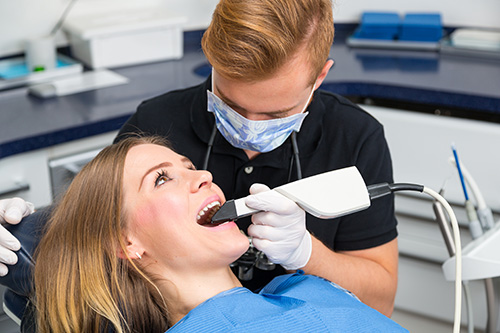
Dentist taking a digital scan of a patient s teeth.

From Digital Scan to Finished Restoration: How the Process Works

The first step replaces the traditional putty impression with an ergonomic intraoral scanner that quickly captures detailed 3D images of the prepared tooth and surrounding structures. This digital impression is more comfortable for many patients and provides a level of detail that improves the fit of the final restoration.

Once the scan is complete, the dentist creates a virtual restoration using CAD software, shaping the anatomy and contours on-screen to match neighboring teeth and the patient’s bite. This digital planning phase lets the clinician refine contacts, occlusion, and emergence profile before the restoration is produced.

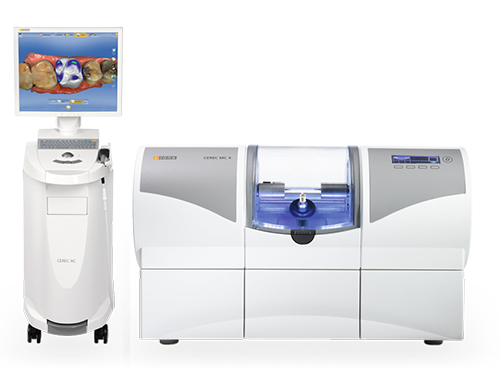
When the design is finalized, the file is sent to a chairside milling unit that carves the restoration from a solid ceramic block. Milling and finishing are completed while you wait, and the restoration receives any final characterization and glazing needed to match color and shine before being seated.

CEREC scanning unit and milling machine.

Materials, Color Matching, and Longevity You Can Trust

CEREC restorations are milled from high-strength ceramics that combine esthetic translucency with durable performance. These materials are biocompatible and resistant to staining, and when properly designed and bonded they provide long-term function for chewing and smiling.

Shade matching is handled as part of the design process, with tools and techniques that help the restoration blend seamlessly with adjacent teeth. Your dentist can adjust translucency, surface texture, and polish to reproduce a natural appearance that complements your smile.

Because the restoration is created and seated on the same day, there is less risk of contamination or fit changes that can occur with temporary crowns. Proper bonding and occlusal adjustment at placement help the restoration perform well over time when combined with routine care and maintenance.

Smiling dental professional in a white coat.

What to Expect During Your Appointment

A typical same-day restoration visit begins with a thorough clinical exam and discussion of goals and options. If a crown, inlay, or onlay is recommended, local anesthesia is used as needed, and the tooth is prepared conservatively so that healthy structure is preserved while creating a stable foundation for the restoration.

After preparation, a digital scan is captured and the restoration is designed with attention to contours, bite, and appearance. While the restoration is milled, your team will polish and finalize the piece; you remain comfortable in the operatory and can discuss any esthetic preferences before placement.

Once the restoration is tried in and checked for fit and function, it is bonded or cemented into place. Your dentist will make any necessary occlusal adjustments and provide aftercare instructions so you know how to protect your new restoration and schedule routine checkups for long-term monitoring.

Benefits Beyond Convenience: Function, Preservation, and Predictability

While the single-visit format is convenient, the clinical advantages of CEREC extend into precision and tooth preservation. Digital planning allows for minimal, targeted preparation and a restoration designed to support healthy occlusion. In many cases this approach preserves more of the natural tooth compared with traditional methods.

The digital design and immediate production reduce variables associated with laboratory fabrication—fewer remakes, no temporary crowns, and a faster overall timeline for restoring comfort and function. That predictability can be particularly helpful for patients with busy schedules or those seeking efficient restorative care.

Caring for a CEREC restoration is the same as caring for a natural tooth: maintain daily brushing and flossing, attend regular dental exams, and follow personalized recommendations from your dentist. With proper maintenance, these restorations offer durable performance and an esthetic result that supports a healthy, confident smile.

In summary, CEREC technology offers a modern approach to crowns, inlays, and onlays that combines digital accuracy with same-day convenience. If you’re curious whether a same-day ceramic restoration is right for you, contact us to learn more and discuss personalized treatment options.

Frequently Asked Questions

What is CEREC and how does it work?

+

CEREC is a chairside digital system that designs, mills, and places ceramic restorations in a single appointment. The workflow replaces traditional putty impressions with a high-resolution intraoral scan, then uses CAD software to design a crown, inlay, or onlay that matches the prepared tooth and surrounding anatomy. A milling unit carves the restoration from a solid ceramic block and the piece is finished and seated the same day.

The fully digital process improves control at every step because the restoration is evaluated and adjusted on-screen before it is milled. Because fabrication happens in the operatory, there is no temporary restoration and fewer opportunities for contamination or fit changes. At Maryville Family Dentistry we pair this technology with careful clinical planning to deliver predictable, natural-looking results.

What are the benefits of a same-day CEREC restoration compared with a traditional crown?

+

Same-day CEREC restorations offer convenience by eliminating the need for a second appointment and a temporary crown, which reduces total treatment time. The digital workflow also increases precision because the design is based on a detailed 3D scan and can be refined on-screen before milling. Immediate fabrication in the operatory reduces the number of variables that can affect fit, such as impressions or laboratory handling.

Clinically, CEREC restorations can allow more conservative tooth preparation since digital design supports targeted shaping and precise margins. Esthetic outcomes are strong with modern ceramics that mimic natural translucency and polish well. The streamlined process typically improves predictability while maintaining the same clinical goals as conventional restorative methods.

Who is a good candidate for a CEREC crown, inlay, or onlay?

+

Good candidates for CEREC restorations are patients who need single-tooth restorations such as crowns, inlays, or onlays and who value a same-day solution that avoids temporaries. Candidates should have sufficient remaining tooth structure to support a bonded ceramic restoration and be free of conditions that would compromise bonding, such as severe uncontrolled decay or active, untreated periodontal disease. Patients with complex full-arch rehabilitation needs or cases requiring lab-only materials may require alternative approaches.

Your dentist will evaluate your overall oral health, occlusion, bite habits, and restorative goals during a clinical exam and imaging review to determine candidacy. Diagnostic information from intraoral scanning and any necessary radiographs helps the team decide whether a chairside restoration or a laboratory-fabricated option is the better clinical choice. The primary concern is achieving a durable, well-fitting restoration that supports long-term function and esthetics.

What happens during a typical CEREC same-day appointment?

+

A typical CEREC visit begins with a focused clinical exam and discussion of treatment goals, followed by local anesthesia if needed and conservative tooth preparation. The dentist captures a digital impression with an intraoral scanner, designs the restoration using CAD software while you remain comfortable in the operatory, and sends the final design to the chairside milling unit. Milling, characterization, and glazing are completed while the team prepares for final try-in and bonding.

After the restoration is tried in and adjusted for fit and occlusion, it is bonded or cemented into place using established adhesive protocols and occlusal adjustments are made. The dentist verifies contacts and bite harmony before providing aftercare instructions and scheduling routine follow-up. Because the entire process is performed in one visit, patients leave with a finished, functional restoration rather than a temporary crown.

What materials are used for CEREC restorations and how durable are they?

+

CEREC restorations are milled from contemporary dental ceramics such as lithium disilicate and other high-strength glass-ceramics that combine translucency with mechanical reliability. These materials are biocompatible, stain-resistant, and capable of transmitting light in a way that mimics natural enamel for an esthetic result. When designed properly and bonded using current adhesive techniques, these ceramics provide long-term function for chewing and biting forces in most single-tooth applications.

Longevity depends on material selection, occlusion, oral hygiene, and the patient’s parafunctional habits, but well-designed ceramic restorations routinely perform for many years. Your dentist will select the ceramic best suited to the location and functional demands of the restoration and will discuss care considerations to maximize service life. Routine dental exams and timely maintenance help identify any adjustments needed to sustain performance over time.

How is shade matching and esthetic characterization handled with CEREC?

+

Shade matching with CEREC begins with digital and visual shade selection, and the CAD software allows the dentist to plan translucency, contours, and surface texture before milling. After the restoration is milled, the team can apply stains, glazes, and polish to refine color and surface shine so the piece blends with adjacent teeth. Final characterization is completed chairside, which lets the dentist make adjustments based on direct comparison in the patient’s mouth.

Because the restoration is evaluated and finished on the same day, there is an opportunity to fine-tune esthetics in real time to meet the patient’s cosmetic goals. Proper lighting, shade guides, and an understanding of anatomy and surface texture are important to achieving a natural appearance. The practice emphasizes careful color communication and finishing techniques to produce results that complement the smile.

Are CEREC restorations as strong as traditional lab-fabricated crowns?

+

Modern CEREC ceramics such as lithium disilicate offer strength and fracture resistance comparable to many laboratory-fabricated ceramics when used appropriately. Strength is influenced by material choice, restoration design, thickness, and proper bonding technique, all of which are managed during the digital planning and finishing stages. When clinical protocols are followed, chairside restorations deliver functional performance suitable for most posterior and anterior single-tooth restorations.

Certain clinical situations may still favor laboratory-fabricated options, especially when specialized materials or techniques are required for full-coverage prosthetics or complex cases. Your dentist will evaluate functional demands, bruxism or heavy bite patterns, and the tooth’s structural needs to recommend the safest, most durable restorative approach. The goal is always to choose a solution that balances esthetics, longevity, and conservative tooth preservation.

How should I care for my CEREC restoration after placement?

+

Caring for a CEREC restoration is similar to caring for natural teeth: maintain daily brushing with a fluoride toothpaste and flossing to remove plaque at the margins. Avoid using teeth as tools and minimize chewing on extremely hard objects to reduce the risk of chipping. Regular dental exams and professional cleanings allow the dentist to monitor the restoration, assess occlusion, and catch any early signs of wear or marginal breakdown.

If you have a history of grinding, your dentist may recommend a protective nightguard that can be fabricated in the office to shield the restoration from excessive force. Follow any specific aftercare instructions provided at placement, such as temporary dietary modifications or timing for return to normal chewing on the restored tooth. Prompt attention to any sensitivity, looseness, or unusual wear will help maintain the restoration’s performance.

When might a laboratory-fabricated crown be preferable to a CEREC restoration?

+

Laboratory-fabricated crowns may be preferred for highly complex restorative cases that require specialty materials, intricate layering techniques, or collaboration with a dental ceramist for advanced esthetic layering. Full-arch reconstructions, certain implant restorations, and situations needing specific metal-ceramic combinations or high-strength zirconia frameworks can benefit from laboratory processes that offer additional material options. The choice often depends on the clinical demands, esthetic expectations, and the restorative plan developed by the dentist.

Your dentist will evaluate the case during consultation and recommend the approach that best meets functional and cosmetic objectives while preserving tooth structure. In some cases a hybrid approach is used, combining in-office scanning and lab fabrication for a customized outcome. The priority is selecting the method that provides the most predictable, long-lasting result for your individual needs.

How do you determine whether a CEREC restoration is the right option for my smile?

+

Determining whether CEREC is appropriate begins with a comprehensive exam that includes visual assessment, intraoral scanning, and any necessary radiographs to evaluate tooth structure, occlusion, and surrounding tissues. The dentist will discuss treatment goals, esthetic expectations, and functional considerations to determine whether a chairside ceramic restoration meets those objectives. This diagnostic phase allows the clinician to compare CEREC with alternative options and explain the reasoning behind the recommended approach.

Patient factors such as bite forces, bruxism, hygiene habits, and long-term restorative planning are considered when making a recommendation. When CEREC is selected, the team at the office will outline the procedure, materials, and aftercare so you understand how the restoration will integrate with your smile. If a different restorative pathway is more appropriate, the dentist will explain why and present the suitable alternatives.

Hours of Operation

Monday
9:00 am - 4:30 pm
Tuesday
9:00 am - 6:00 pm
Wednesday
9:00 am - 4:30 pm
Thursday
9:30 am - 4:30 pm
Friday
9:00 am - 4:30 pm
Saturday
Closed
Sunday
Closed