
Our Office
Visit Us Online


When a cavity or minor damage weakens a tooth, a tooth-colored filling restores form and function without drawing attention to the repair. These modern restorations are crafted from composite resin — a blend of durable polymers and glass particles — designed to match the shade and translucency of your natural enamel. The result is a discreet repair that helps preserve the tooth’s appearance while protecting it from further decay.
The process typically starts with a careful evaluation, including visual inspection and radiographs when needed, so your dentist can map the extent of decay and choose the right restorative approach. Because composite material bonds directly to the tooth, the preparation is usually more conservative than with traditional metal fillings: less healthy structure needs to be removed, and more of the original tooth can be retained.
Most patients appreciate how quickly and comfortably composite fillings restore chewing ability and aesthetics. Treatments are usually completed in a single visit, and the finished filling is contoured to fit your bite so it feels natural. If you have concerns about sensitivity, appearance, or anxiety around procedures, mention them during your visit so your care team can tailor the experience to your needs.
Composite, or bonded, restorations have become the preferred choice for many restorations because they combine strength with a natural appearance. Unlike metallic restorations, composites are mercury-free and designed to integrate with the tooth’s structure. When placed properly, the bond between composite and tooth helps seal margins and reduce the risk of leakage that can lead to recurrent decay.
Another advantage is conservatism: because the material adheres to enamel and dentin, the dentist can remove less tooth when preparing the cavity. Preserving more natural structure supports the long-term health of the tooth and can delay or avoid the need for more extensive treatment down the line. Composites are versatile, suitable for both small posterior restorations and highly visible anterior repairs where aesthetics matter most.
Material science continues to improve the wear resistance and polishability of composites. While no restoration lasts forever, contemporary composites offer a robust balance of appearance and performance when combined with solid technique and routine dental care. Discussing material options with your dentist helps ensure the chosen restoration aligns with your functional needs and cosmetic preferences.

Placement of a composite filling is a methodical process meant to protect your tooth and restore its natural contours. First, the area is isolated and, when necessary, local anesthesia is administered so you remain comfortable. The dentist removes the decayed or compromised tissue, working conservatively to preserve healthy enamel and dentin around the cavity.
After preparation, a sequence of bonding steps follows: the tooth surface is treated with an adhesive system, and the composite resin is applied in thin layers. Each layer is sculpted to approximate the tooth’s anatomy and then hardened with a specialized curing light. Layering the material reduces shrinkage and builds strength while allowing precise control over the restoration’s shape and occlusion.
When the composite is fully cured, the dentist fine-tunes the bite, smoothes margins, and polishes the surface for a natural sheen. Patient comfort and communication are prioritized throughout; if you are sensitive or nervous about treatment, the team at Maryville Family Dentistry discusses options such as local anesthetic techniques and relaxation strategies to help you feel at ease.
Following your appointment it’s normal to experience temporary numbness from local anesthesia — take care not to chew until sensation returns to avoid biting soft tissues. Mild thermal sensitivity for a few days is common as the tooth settles; this usually diminishes on its own. Over-the-counter anti-inflammatory medications and avoiding extremely hot or cold foods for a short period can ease initial discomfort.
Good oral hygiene is key to maximizing the life of a filling. Brush twice daily with fluoride toothpaste, floss gently around the restoration, and attend regular dental checkups so your dentist can monitor the margins and look for signs of wear or recurrent decay. If you notice persistent sensitivity, a rough or high spot when biting, or discoloration around the filling, contact the office so the restoration can be evaluated and adjusted if needed.
In rare cases a filling may chip or become loose. Prompt assessment prevents small problems from becoming larger ones. Routine exams and cleanings give your dentist the opportunity to catch issues early and recommend timely treatment that protects both the restored tooth and your overall oral health.
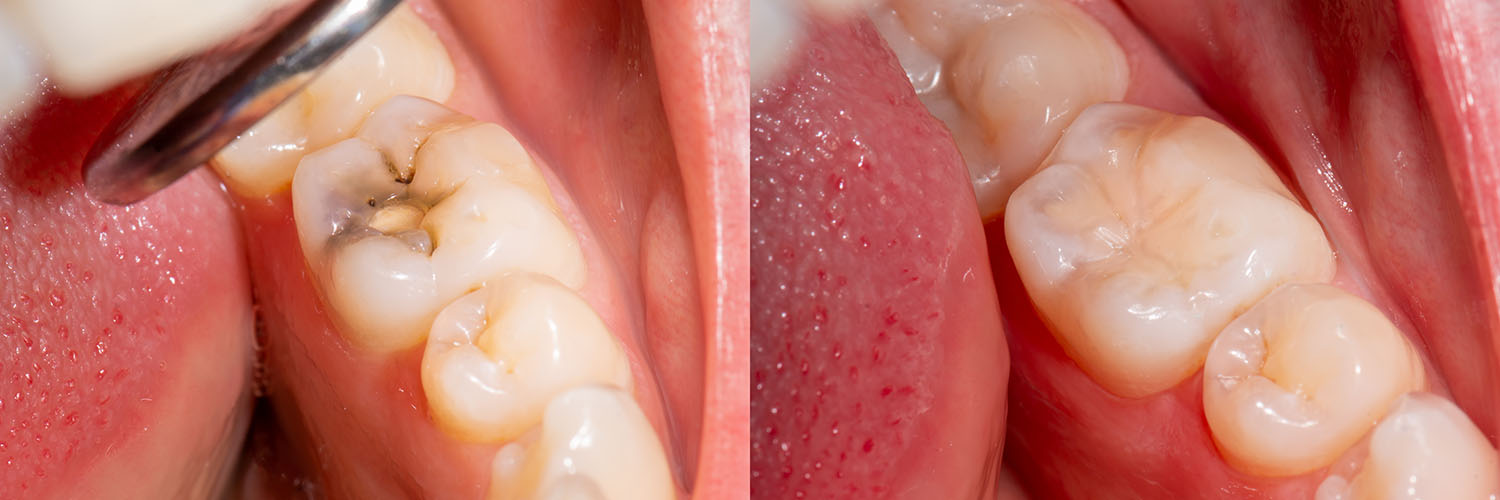
Composite fillings can last many years, but their longevity depends on several factors: the size and location of the restoration, chewing forces, oral hygiene habits, and routine professional care. Small, well-placed composites in low-stress areas tend to perform exceptionally well, while larger restorations on heavily used chewing surfaces may show wear sooner and require closer monitoring.
If a filling becomes recurrently problematic — for example, if decay forms beneath it, if significant fracture occurs, or if the restored tooth has extensive structural loss — your dentist may recommend an alternative restoration such as an inlay, onlay, or crown. These indirect restorations are fabricated to reinforce the tooth and distribute biting forces more effectively when simple fillings are no longer the ideal solution.
Decisions about replacing or upgrading a restoration are based on clinical examination, radiographic findings, and consideration of long-term prognosis. Your dentist will explain the reasoning clearly and outline the treatment path that best preserves tooth structure and function while aligning with your goals for comfort and appearance.
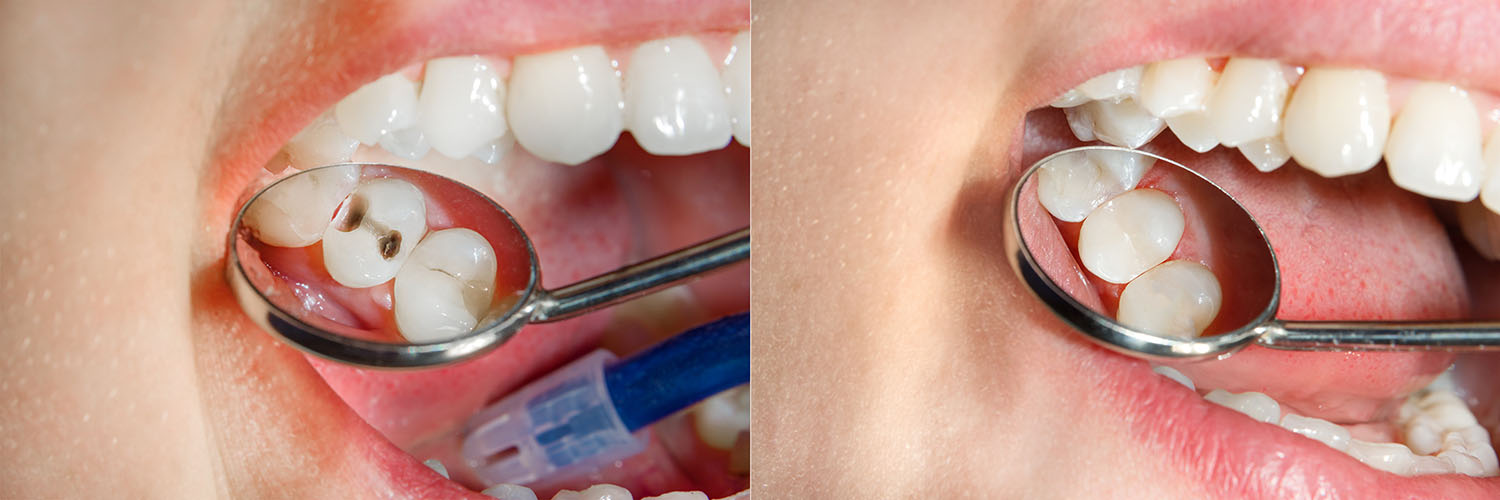
We aim to restore teeth in a way that looks natural, feels comfortable, and supports lasting oral health. If you’d like to learn more about composite fillings, alternative restorations, or what to expect at your next appointment, please contact us for more information.
Tooth-colored composite fillings are restorative materials made from a blend of resin polymers and glass or ceramic particles that mimic the color and translucency of natural enamel. They bond directly to enamel and dentin after a sequence of adhesive steps, creating a seal that helps reduce leakage and recurrent decay. Because the material adheres to the tooth, preparations are often more conservative and preserve more healthy structure than traditional metal restorations.
Composite material is placed in thin layers and cured with a specialized light to build strength and allow precise shaping of the anatomy and occlusion. Modern formulations offer improved wear resistance and polishability, making them suitable for many posterior and anterior repairs. While durable, composites require proper technique and ongoing care to achieve the best long-term results.
Dentists commonly prefer composite fillings when the cavity is limited in size, when aesthetics are important, or when preserving natural tooth structure is a priority. Because composites bond to tooth structure, clinicians can remove less healthy tissue and maintain more of the original tooth. They are especially well suited to visible front teeth and small to moderate posterior restorations where a color match matters.
For very large defects, teeth with extensive structural loss, or areas under exceptionally heavy chewing forces, indirect restorations like inlays, onlays, or crowns may be recommended instead. Your dentist will evaluate the size, location, and functional demands of the tooth and discuss the option that best balances strength, appearance, and long-term prognosis. Shared decision-making helps ensure the chosen restoration aligns with your needs and goals.
Before treatment, the tooth is examined and radiographs are taken as needed to determine the extent of decay and evaluate surrounding structures. Local anesthesia is administered when appropriate to keep you comfortable, and the tooth is isolated to provide a dry working field. The dentist removes decayed or compromised tissue conservatively and shapes the cavity to receive the composite material.
A bonding system is applied to the prepared surfaces, and the composite resin is placed in incremental layers with each layer cured by a specialized light. Layering minimizes shrinkage and allows precise sculpting to restore natural contours and proper bite relationships. After curing, the restoration is adjusted, smoothed, and polished; if you have concerns about sensitivity or anxiety, discuss relaxation and anesthetic options with the team at Maryville Family Dentistry.
You may experience temporary numbness from local anesthesia, so avoid chewing until sensation returns to prevent biting soft tissues. Mild sensitivity to hot or cold is common for a few days as the tooth settles, and over-the-counter anti-inflammatory medications and avoiding extreme temperatures can ease initial discomfort. If sensitivity persists beyond a couple of weeks or intensifies, contact your dentist for evaluation.
Good oral hygiene is essential to maximize the life of a filling: brush twice daily with fluoride toothpaste, floss gently around the restoration, and attend regular dental checkups so your dentist can monitor margins and wear. Avoid using your teeth as tools and be cautious with very hard or sticky foods that can stress restorations. Routine professional cleanings and timely care help detect and address early problems before they become larger issues.
The lifespan of a composite filling varies widely based on size, location, chewing forces, and oral hygiene, with many restorations lasting several years to more than a decade. Small, well-placed composites in low-stress areas tend to perform better over time, while large restorations on molars that absorb heavy forces may show wear sooner. Factors such as bruxism, poor oral hygiene, and frequent exposure to acidic or highly pigmented substances can accelerate marginal breakdown and staining.
Regular dental examinations allow your clinician to identify wear, chipping, or recurrent decay early and recommend repair or replacement when indicated. Replacing a failing filling before more extensive damage occurs helps preserve remaining tooth structure and may prevent the need for indirect restorations. Protective measures like occlusal guards for people who grind their teeth can significantly extend the functional life of restorations.
Temporary postoperative sensitivity is common and usually results from manipulation of enamel and dentin during the procedure or from temperature changes as the tooth re-equilibrates. This sensitivity typically diminishes over days to weeks, but persistent or worsening pain should be evaluated to rule out occlusal issues, secondary decay, or other causes. True allergic reactions to modern composite resins are uncommon, though patients with a history of material sensitivities should inform their dentist.
If there is concern about a reaction or ongoing sensitivity, your dentist can adjust the clinical approach, select an alternative material, or refer you for testing when indicated. Often sensitivity related to bite or minor fractures responds well to occlusal adjustment or targeted repair. Open communication about medical history and prior reactions helps the team select the safest restorative option for your needs.
A filling should be evaluated for replacement if there is recurrent decay at the margin, visible fracture or chipping, a persistent high spot when biting, or ongoing sensitivity that suggests underlying problems. When a restoration becomes large relative to the remaining tooth structure or fails repeatedly, the tooth may be better served by an indirect restoration such as an inlay, onlay, or crown. These indirect options are fabricated to reinforce the tooth and distribute biting forces more evenly when a simple filling is no longer ideal.
Clinical examination and radiographs guide the decision to repair, replace, or upgrade a restoration based on long-term prognosis and preservation of tooth structure. Your dentist will explain the benefits and limitations of each option and recommend the treatment that best supports durability, function, and aesthetics. Timely intervention often prevents progression to more invasive procedures.
Immediately after a filling, avoid chewing on the treated side until any numbness from anesthesia has worn off to prevent accidental injury to the lips, tongue, or cheeks. Once sensation returns, most patients can resume their normal diet, though it is wise to avoid very hard, sticky, or chewy foods for a short period to reduce stress on the new restoration. If your bite feels uneven or you notice a sharp edge, contact your dentist so the restoration can be checked and adjusted.
Long-term, habits such as biting nails, chewing ice, or using teeth to open packages should be avoided because they can chip restorations and damage teeth. If you grind your teeth, ask about a custom night guard to protect fillings and natural tooth structure from excessive wear. Adhering to these precautions helps preserve the integrity and function of your restorations.
Daily oral hygiene and routine professional cleanings are the most important steps to maintain the appearance of composite fillings and limit surface staining. Brushing with a fluoride toothpaste, flossing, and avoiding prolonged exposure to highly pigmented foods and tobacco products reduce the risk of discoloration. During dental visits, hygienists can perform nonabrasive polishing to refresh the surface and minimize staining.
If a restoration becomes discolored but remains structurally sound, your dentist may be able to repolish it or recommend replacement when appropriate. For patients with ongoing aesthetic concerns, alternative cosmetic options such as veneers or crowns can be discussed to achieve a more uniform appearance while balancing conservation of tooth structure. Your dentist will help you weigh cosmetic goals against long-term tooth health.
Modern dental practices follow strict infection control standards and use effective local anesthetic techniques to maintain patient comfort and safety during restorative procedures. Isolation methods like rubber dams or cotton roll barriers keep the field dry and reduce contamination, which supports predictable bonding and reduces the risk of postoperative complications. The clinical team also monitors patient comfort and can offer additional numbing or relaxation strategies when needed.
At Maryville Family Dentistry the staff emphasizes clear communication, explaining each step of treatment and encouraging questions so patients know what to expect. If you have medical conditions, material sensitivities, or dental anxiety, sharing that information before treatment allows the team to tailor care and take appropriate precautions. A collaborative approach between you and your dental team promotes a safer, more comfortable experience and better restorative outcomes.
Email: