
Our Office
Visit Us Online


At Maryville Family Dentistry, our first priority is keeping your experience calm, informed, and safe. When we talk about removing a tooth, it’s never a decision made lightly. Your dentist will explain why an extraction is the best option, outline alternatives we’ve considered, and walk you through the steps we’ll take to minimize discomfort and protect your long-term oral health.
Extractions may be recommended for many reasons: to stop the spread of infection, to relieve pain that cannot be managed otherwise, or to make room for proper alignment. Even when a tooth cannot be preserved, modern techniques and careful planning help preserve the health and function of the surrounding teeth and tissues.
We approach every extraction with a personalized plan. That means reviewing your medical history, current medications, and any concerns you may have about anesthesia or recovery. Our goal is to deliver treatment that feels predictable and respectful of your needs while protecting the rest of your smile.
Primary (baby) teeth that are not falling out as expected
Most children lose primary teeth on a predictable schedule. Occasionally, a baby tooth remains firmly attached, which can block the eruption of the permanent tooth beneath it. When roots don’t resorb or a tooth becomes fused to bone, careful removal may be necessary to support normal development of the permanent dentition.
Permanent teeth that are too damaged to save
A cavity that begins at the enamel can progress to deeper layers of the tooth if not treated. When decay destroys a critical amount of structure or compromises the tooth’s nerve and root, restoration may no longer be feasible. In those cases, extraction can stop infection and protect neighboring teeth and tissues.
Severe fractures or cracks that compromise tooth integrity
Teeth can sustain a range of trauma—from minor chips to deep vertical fractures. If the break affects the root or leaves insufficient tooth structure to restore with a crown or other reconstruction, removal may be the safest long-term choice to prevent recurrent pain and infection.
Advanced periodontal disease that weakens support
Periodontal disease erodes the tissues and bone that hold teeth in place. When the supporting structures are significantly diminished, a tooth can become loose or painful. At that point, extraction is sometimes necessary to preserve oral health and prevent further bone loss or spread of infection.
Wisdom teeth that are impacted or causing problems
Third molars often arrive last and may be misaligned, partially erupted, or trapped beneath the gum and bone. Impacted or decayed wisdom teeth can cause pain, infection, or damage to adjacent teeth. For many young adults, removing problematic wisdom teeth early helps avoid more complex issues down the road.
Extractions planned as part of orthodontic treatment
When the jaws do not have enough room to accommodate every tooth, selective removal of permanent teeth may be recommended to create space and achieve a stable, balanced bite as part of an orthodontic plan.

Extractions generally fall into two categories: simple and surgical. A simple extraction is typically performed on a tooth that is visible in the mouth and has a straightforward root shape. A surgical extraction is needed when the tooth is broken below the gumline, impacted, or has root anatomy that makes removal more complex.
Regardless of type, our care begins with a thorough examination and appropriate imaging to map the tooth and nearby structures. We use digital radiographs and other diagnostic tools as needed to determine the safest approach. Every procedure is planned with the objective of minimizing trauma to surrounding bone and soft tissue.
We tailor the anesthesia and patient comfort measures to each person. Local anesthesia is standard, but for patients who experience anxiety or require a more controlled experience, sedation options can be discussed. If a case is complex, we collaborate with trusted oral and maxillofacial surgeons to ensure the highest level of surgical expertise.
When a tooth is accessible and the root form is favorable, a simple extraction is typically quick and efficient. After numbness is achieved, your clinician will loosen the periodontal ligament and use specialized instruments to remove the tooth with minimal disturbance to the socket.
Because the procedure is performed under local anesthesia, most patients experience little to no pain during the extraction itself. We’ll review pain control strategies for the hours and days after the appointment and provide clear instructions for at-home care to support healing.
Surgical extractions involve making a small incision in the gum, and sometimes removing a small amount of bone, to access teeth that aren’t readily visible or are fractured. These procedures demand careful planning and precise technique to protect nerves, sinuses, and adjacent teeth.
For more complex surgical cases—such as deeply impacted wisdom teeth or teeth with unusual root configurations—we may coordinate care with an oral surgeon. The goal in every surgical extraction is to remove the tooth safely while preserving as much healthy tissue and bone as possible to aid recovery and future treatment options.
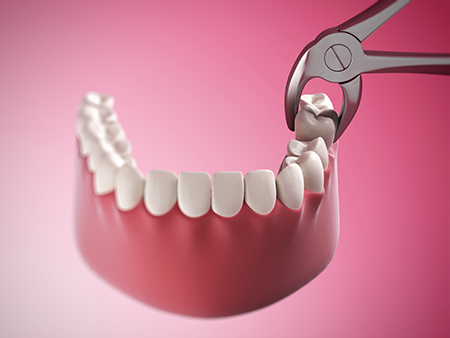
Preparation starts with an honest conversation about your health history. Tell us about current medications, heart conditions, joint replacements, bleeding disorders, or any recent illnesses. Certain conditions and medicines may require adjustments or additional precautions prior to the procedure to keep you safe.
If antibiotics, a change in medication, or medical clearance is necessary, we’ll coordinate that in advance. We also provide pre-operative instructions—such as whether to fast if you plan to use sedation—and ask that you let us know if you feel unwell on the day of the appointment so we can reschedule safely.
We’ll explain the anesthesia options available and help you choose the right approach for comfort and safety. For patients who prefer minimal awareness during the procedure, we offer sedation solutions. Whatever you select, our team monitors you closely and prioritizes a smooth, well-controlled experience from start to finish.
Recovery varies by the complexity of the extraction and each patient’s individual healing response. Generally, the first 24–48 hours are most important for clot formation and initial tissue recovery. We’ll give you clear instructions on how to protect the socket, manage bleeding, and reduce swelling so healing can progress without complication.
Comfort measures typically include short-term pain control and strategies to minimize swelling, such as intermittent ice application. We encourage a diet of soft foods for a few days, careful oral hygiene that avoids disturbing the extraction site, and hydration to support healing.
If you experience unusual pain, persistent bleeding, or signs of infection—such as fever or increasing swelling—contact our office so we can assess the situation promptly. Follow-up appointments are scheduled when sutures are involved or when a more complex extraction requires monitoring of healing progress.
Maintain steady pressure on the gauze
After the procedure, we place gauze over the socket to control bleeding. Bite down gently and keep even pressure in place for the recommended time. Replace the gauze only as directed and contact us if heavy bleeding persists beyond the first few hours.
Be cautious until numbness wears off
Protect lips, cheeks, and tongue from accidental bites while local anesthesia is active. Avoid eating until you can feel the area normally to prevent unintentional injury.
Take medications exactly as instructed
If antibiotics are prescribed, complete the full course. For pain control, follow the dosing schedule your clinician recommends—many find it helpful to start analgesics before the anesthetic fully subsides to prevent breakthrough discomfort.
Avoid actions that dislodge the clot
Do not rinse vigorously, spit forcefully, or use a straw for at least 24 hours after extraction. These actions can disturb the clot and increase the risk of dry socket.
Control swelling with ice
Apply an ice pack to the cheek over the surgical area intermittently for the first day. Short, regular intervals of cooling are generally more effective than prolonged application.
Refrain from smoking
Smoking or using tobacco products interferes with clot formation and overall healing. Avoid tobacco use for at least a week to reduce the risk of complications.
Stick to gentle foods and beverages
Choose lukewarm, soft foods that do not require heavy chewing in the first few days. Avoid spicy, crunchy, or carbonated items until the extraction site has had time to settle.
Keep your mouth clean with care
Resume gentle brushing while avoiding direct contact with the socket. After 24–48 hours, a mild saltwater rinse can help keep the area clean—use gentle swishes rather than forceful rinsing.
Attend any scheduled follow-up
If stitches were placed or extra monitoring is required, be sure to keep your follow-up appointment so we can confirm proper healing and remove sutures if necessary.
If you notice ongoing bleeding, increasing pain, a persistent bad taste, or other unexpected symptoms, contact the office promptly so we can evaluate and address the issue.
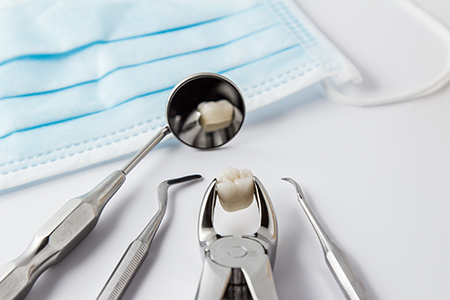
When an extraction is necessary, patients look for a team that combines clinical skill with thoughtful patient care. Our clinicians focus on gentle technique, clear communication, and personalized treatment planning so that each extraction is handled efficiently and comfortably.
We use modern diagnostic tools and collaborate with specialists when a case requires advanced surgical management. After an extraction, we’ll discuss options for replacing lost teeth when appropriate, including dentures, bridges, and dental implants, and help you choose the solution that best supports function and long-term oral health.
Our approach emphasizes predictable outcomes and attentive follow-up. From pre-operative planning to recovery guidance, we aim to make the process straightforward and safe so you can return to normal activities with confidence.
In summary, tooth extraction is sometimes the most responsible option for alleviating pain, removing infection, or supporting overall dental health. If you have questions about whether an extraction is right for you or would like more details about the process, please contact us for more information.
Extractions are recommended when a tooth is severely damaged, infected, or obstructing normal development. A dentist may suggest removal to stop the spread of infection, relieve pain that cannot be managed with conservative treatment, or to create space for orthodontic movement. Impacted wisdom teeth that threaten adjacent teeth or cause recurrent infections frequently require removal to prevent worsening problems.
Before recommending extraction, clinicians evaluate alternatives such as root canal therapy or restorative crowns and explain why removal is the most responsible option for long-term oral health. The decision is based on a clinical exam, appropriate imaging, and a review of your medical history. Your overall oral-health plan and future restorative options are considered when planning an extraction.
A simple extraction is performed on a tooth that is visible in the mouth and has a straightforward root form, allowing removal with forceps after local anesthesia. These procedures are typically brief and involve minimal manipulation of the surrounding tissues. Surgical extractions are required for teeth that are broken at the gumline, impacted, or have complex root anatomy that makes access more difficult.
Surgical extractions often involve making a small incision in the gum and, in some cases, removing a small amount of bone to access the tooth. These cases may require sutures and slightly longer recovery times, and they demand careful planning to protect nearby structures such as nerves and sinuses. For complex situations we may work with an oral surgeon to provide the appropriate surgical expertise.
Preparation begins with a thorough review of your medical history, current medications, and any conditions that could affect healing, such as bleeding disorders or heart conditions. Be sure to tell your dental team about prescription medications, over-the-counter drugs, and herbal supplements, since some may require adjustment before the procedure. If you plan to use sedation, we will give specific pre-operative instructions such as fasting times and arrange for someone to drive you home.
Follow any instructions provided by the dentist, including when to stop certain medications if advised by your physician. Let the office know if you develop a cold, fever, or other illness before your appointment so we can evaluate safety and timing. Clear communication about your health and concerns helps the team plan a safe, predictable procedure.
Local anesthesia is standard for most extractions and effectively numbs the treatment area so patients feel little to no pain during the procedure. For patients with dental anxiety or for longer, more complex cases, additional sedation options such as oral sedation or intravenous (IV) conscious sedation may be offered to promote relaxation and reduce awareness. The choice of sedation depends on the complexity of the extraction, the patient’s medical history, and personal comfort preferences.
Our team will review risks and benefits for each option and tailor the anesthesia plan to your needs, including monitoring during and after the procedure. If general anesthesia or advanced sedation is indicated for complex surgical cases, we coordinate care with qualified specialists to ensure safety and continuity of care. Proper monitoring and post-operative instructions are provided regardless of the chosen approach.
Once the treatment area is numb, your clinician will use specialized instruments to loosen and remove the tooth, minimizing trauma to the surrounding tissues. Simple extractions are usually quick, while surgical extractions may involve small incisions and removal of bone to access the tooth. Throughout the procedure the team monitors your comfort and vitals, administering additional anesthesia or sedation as needed to maintain a controlled experience.
After the tooth is removed, the socket is cleaned and, if necessary, sutures are placed to support healing. The clinician will place gauze over the site to help form an initial blood clot and will review immediate post-operative care steps with you. Clear aftercare instructions and prescriptions for antibiotics or pain medication are provided when clinically indicated.
Apply steady pressure on the gauze as instructed to help control bleeding and support clot formation during the first few hours after the procedure. Avoid rinsing vigorously, spitting, using a straw, or smoking for at least 24 hours, as these actions can dislodge the clot and increase the risk of dry socket. Use ice packs intermittently on the cheek over the surgical area during the first day to minimize swelling and follow any medication directions provided by your clinician.
Stick to soft, lukewarm foods and avoid heavy chewing on the extraction side for several days, gradually returning to a normal diet as comfort allows. Resume gentle oral hygiene but avoid brushing directly over the socket until advised; after 24–48 hours a mild saltwater rinse can help keep the area clean. Attend any scheduled follow-up visits so the dental team can assess healing and remove sutures if needed.
Contact the office promptly if you experience heavy or persistent bleeding that does not respond to pressure, severe pain that is worsening rather than improving, or a fever that suggests possible infection. A persistent bad taste or odor, increasing swelling after the first few days, or numbness that does not resolve may also indicate a complication that needs evaluation. Difficulty breathing or swallowing is an emergency and requires immediate medical attention.
Some discomfort, minor bleeding, and swelling are normal in the first 48 hours, but unexpected or rapidly worsening symptoms should be assessed without delay. The dental team can determine whether additional treatment, antibiotics, or an in-office evaluation is necessary and will guide you through next steps to protect healing. Timely communication reduces the risk of prolonged problems and supports a smoother recovery.
Initial healing of the soft tissues typically takes one to two weeks, with the first 24–48 hours being the most critical for clot formation and swelling control. Pain and swelling usually peak within the first 48 hours and then gradually subside; many patients can return to routine activities within a few days depending on the complexity of the extraction. Complete bone remodeling and full socket healing can take several months, especially if bone grafting or complex surgery was involved.
Follow post-operative instructions and attend follow-up appointments to monitor progress and address any concerns. If sutures are present, they are often removed or evaluated within a week to 10 days. Your clinician can advise on when it is safe to begin restorative treatments, such as implants or bridges, once healing is adequate.
Follow-up care is commonly scheduled when sutures are placed or when the extraction was complex, so the dentist can confirm proper healing and remove stitches if necessary. Even after uncomplicated extractions, a follow-up visit may be recommended to review healing and discuss any next steps. The need for tooth replacement depends on location, function, and your personal oral-health goals.
When replacement is appropriate, options include dental implants, bridges, or partial dentures, and timing varies based on healing and whether additional procedures such as bone grafting are needed. Your clinician will outline replacement choices, expected timelines for each option, and any coordination with specialists if advanced restorative work is planned. Planning for replacement helps preserve bite function and long-term oral health.
Maryville Family Dentistry offers comprehensive evaluation and personalized treatment planning using modern diagnostic tools to map teeth and surrounding anatomy before extraction. The practice emphasizes patient comfort with tailored anesthesia and sedation options, careful technique to minimize tissue trauma, and close monitoring during the procedure. For complex surgical cases we collaborate with trusted oral and maxillofacial specialists to ensure appropriate surgical expertise.
Our team provides clear pre-operative guidance and detailed post-operative instructions to support predictable healing and to help you understand restorative options when tooth replacement is indicated. Patients can expect attentive follow-up and coordinated care to protect surrounding teeth and bone while working toward long-term oral-health goals. If you have questions about whether extraction is the right step, contact the office to schedule an evaluation.
Email: