
Our Office
Visit Us Online


Missing teeth change more than just the way you look — they affect how you chew, speak, and maintain the health of the surrounding teeth and jaw. Dental implants are engineered to replace both the visible tooth and the root beneath the gum, offering a stable, long-term option for rebuilding a complete smile. Because implants integrate with the jawbone, they help preserve facial structure and give patients predictable function and comfort.
Implant care combines surgical planning, restorative design, and precise laboratory work. Clinicians today use three-dimensional imaging and digital workflows to map the ideal implant position and craft restorations that blend with your bite and appearance. That coordination reduces surprises, improves fit, and helps patients return to normal eating and speaking habits more quickly.
When implant treatment is planned and executed carefully, the result is often a solution that feels and functions like a natural tooth. At Maryville Family Dentistry, our approach focuses on individualized planning so each implant supports long-term health and a confident smile.

Unlike removable dentures, implants are anchored in the jaw, which prevents the movement and slipping that many people find frustrating. That stability improves chewing efficiency and often restores the ability to enjoy a wider range of foods without worrying about prosthesis movement. Implants also support surrounding tissues, which helps maintain the natural contours of the face and smile over time.
Implants can support a single crown, multiple crowns attached to a bridge, or even a full-arch prosthesis. This adaptability makes them a versatile tool in restorative dentistry: they can replace one tooth without touching adjacent natural teeth, or they can be the foundation for a larger reconstruction that replaces an entire arch.
Because an implant acts like a tooth root, patients report improved confidence when smiling and speaking. The sensation of a fixed, well-fitted restoration is one reason implants have become a preferred option for many people seeking long-term solutions to tooth loss.
A dental implant is a small, biocompatible post — typically made from titanium or a titanium alloy — that the body accepts well. Once the post is positioned in the jawbone, a natural process called osseointegration begins: bone cells grow along the implant surface and anchor it firmly in place. This biological connection is what gives implants their lasting stability.
After integration, the implant can hold a crown, bridge, or denture in a way that mimics the support provided by a natural tooth root. The restorative portion — the visible tooth replacement — is designed to match the color, shape, and size of the surrounding teeth so it blends seamlessly into the smile.
Many patients choose implants because they provide consistent, dependable function. Implants eliminate the worry of prosthesis movement, let people taste and enjoy a wide variety of foods, and usually require only routine hygiene and maintenance. With solid placement and good oral care, implants can serve for many years and often longer than other replacement options.
Implants also protect oral health by preserving bone where teeth are missing. When teeth are lost, the jawbone tends to resorb over time; implants stimulate the bone and slow that process, helping maintain facial support. Additionally, implant-restored teeth don’t require altering neighboring natural teeth, which preserves healthy tooth structure.
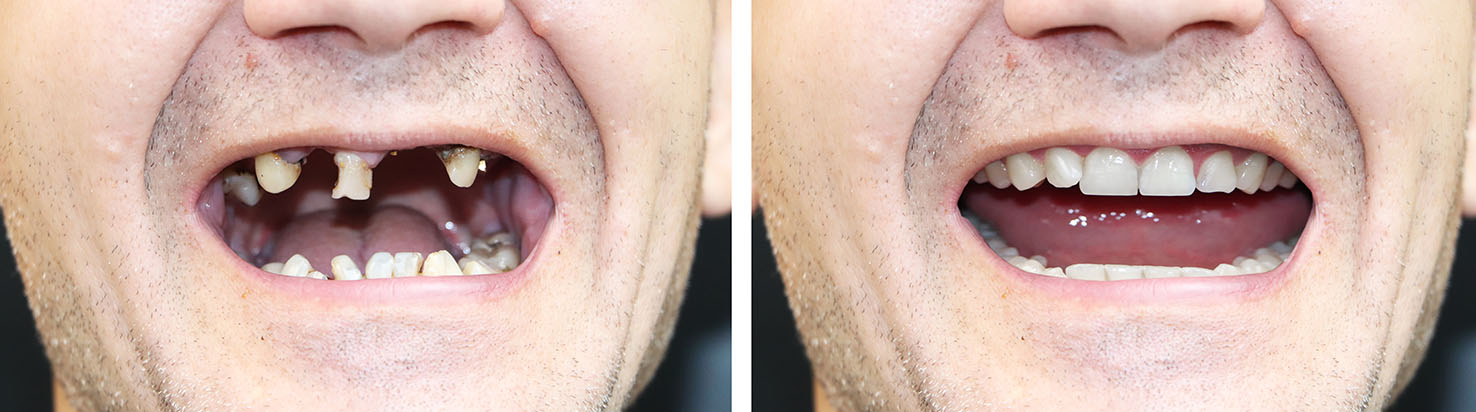
Implant candidacy depends on factors such as overall health, oral hygiene, the quality and quantity of jawbone, and lifestyle habits. Many patients who are missing teeth are candidates for implants, but some situations require preparatory work — for example, bone grafting or periodontal treatment — to create a stable foundation. A careful evaluation including digital imaging and a review of medical history helps determine the best path forward.
At Maryville Family Dentistry, we tailor implant recommendations to each patient’s needs, preferences, and long-term goals. We take time to explain options, expected timelines, and how each solution fits into a comprehensive plan for oral health and function.
Treatment begins with planning: clinical exams, scans, and a restorative discussion to decide the optimal implant positions and prosthesis design. Once a plan is in place, implant placement is typically performed as an outpatient procedure under local anesthesia, with sedation options available when appropriate to enhance comfort.
After placement, the implant requires a healing period while osseointegration occurs. Depending on the clinical situation and the type of restoration chosen, this phase can last several weeks to a few months. Some cases allow for immediate provisional restorations, but permanent crowns, bridges, or dentures are placed only after the team confirms the implants have integrated and the bite is properly coordinated.
Throughout treatment, clear communication about pre-op and post-op instructions helps patients manage expectations and recover smoothly. Routine follow-up visits ensure that healing progresses as planned and that the final restoration meets both functional and esthetic goals.
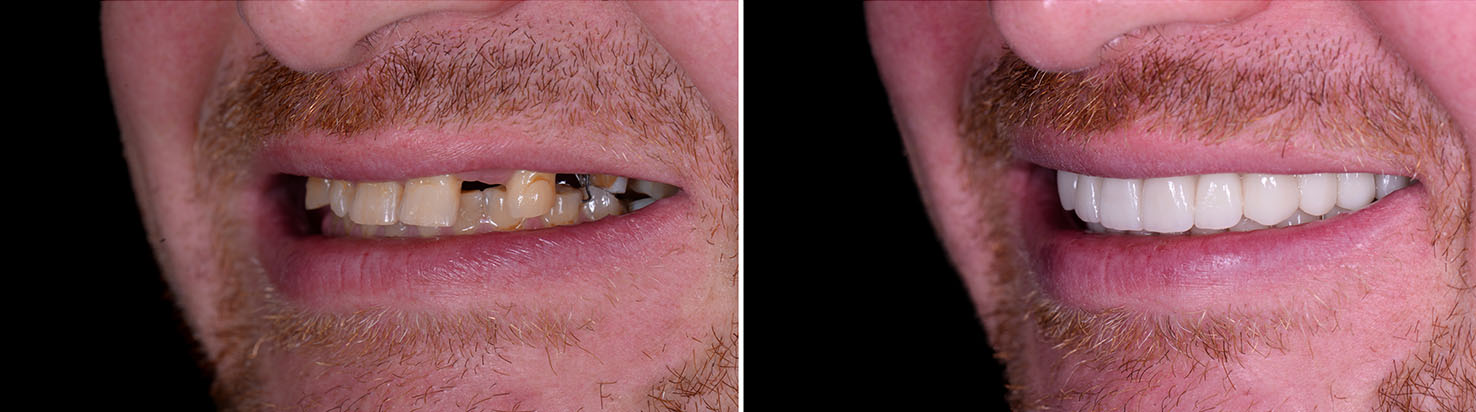
Some patients need bone grafting or sinus augmentation to restore lost volume before implants can be placed. These procedures rebuild the necessary support so implants have the best chance of long-term success. Grafting materials and techniques vary, and your clinician will recommend the method that fits your anatomy and treatment timeline.
Addressing periodontal disease, removing non-restorable teeth, and managing medical conditions that affect healing are other steps that can improve implant outcomes. A thoughtful, staged approach often leads to the most predictable and durable results.
Dental implants offer a reliable way to restore function, preserve oral health, and improve the overall appearance of the smile. Whether you’re missing a single tooth or building a plan to replace an entire arch, modern implant solutions provide flexibility and durability when planned with care.
Our team combines contemporary technology with individualized treatment planning to help patients achieve lasting, natural-feeling results. If you’re considering implants and want to explore your options, contact us for more information.
Dental implants are biocompatible posts, most commonly made from titanium or titanium alloy, that are placed into the jaw to replace a missing tooth root. After placement, a natural process called osseointegration occurs when bone cells grow around the implant surface and secure it in place, creating a stable foundation. Once integrated, the implant supports a crown, bridge, or denture that restores function and appearance similar to a natural tooth.
The restorative portion is custom-designed to match the color, shape, and size of surrounding teeth so it blends seamlessly into the smile. Implants can support single-tooth restorations, multi-unit bridges, or full-arch prostheses depending on the patient’s needs. Because the implant replicates the root function, it helps preserve jawbone and the facial contours that depend on that support.
Implants provide fixed, stable support that eliminates the slipping and adhesives commonly associated with removable dentures, improving chewing efficiency and comfort. They preserve adjacent natural teeth because a single implant can replace a tooth without altering neighboring crowns or bridges. By stimulating the jawbone, implants slow bone resorption and help maintain facial structure over time.
From a functional standpoint, implants restore a broader diet and clearer speech by recreating root-level support rather than resting on soft tissues. They are not susceptible to dental decay and often have greater longevity than traditional prostheses when paired with proper maintenance. The combination of stability, preservation of tooth structure, and long-term predictability makes implants a preferred option for many patients.
Candidacy for implants depends on overall health, oral hygiene, the quality and quantity of jawbone, and lifestyle factors such as smoking or uncontrolled systemic conditions. Many people who are missing teeth can qualify for implant treatment, but some patients require preparatory procedures like bone grafting or periodontal therapy to establish a stable foundation. A thorough clinical exam and medical history review are essential to determine individual suitability.
Advanced imaging and diagnostic tools help clinicians evaluate bone volume, nerve positions, and sinus anatomy to plan safely. At Maryville Family Dentistry, the team considers both medical and dental factors when recommending a treatment path and will discuss alternatives or staged approaches when immediate implantation isn't appropriate. The goal is a personalized plan that supports predictable healing and long-term function.
Treatment begins with a comprehensive evaluation that includes clinical exams, digital imaging, and a restorative discussion to determine optimal implant positions and prosthesis type. Implant placement is usually performed in an outpatient setting under local anesthesia, with sedation options if needed to enhance comfort. After placement, a healing period follows while osseointegration takes place, which can range from several weeks to a few months depending on the clinical situation.
Once the implant integrates, the restorative phase involves attaching an abutment and placing a final crown, bridge, or denture that is adjusted for proper bite and esthetics. Some cases allow for immediate provisional restorations when primary stability is sufficient, while others require a staged approach to protect healing. The team at Maryville Family Dentistry emphasizes clear communication about timelines, post-op care, and follow-up visits to help patients through each step of the process.
Preparation often includes a review of medical history, any necessary imaging, and instructions about medications, eating, and smoking before the appointment. Patients may be advised to arrange transportation if sedation is planned and to follow preoperative guidelines provided by the clinician. Good oral hygiene and addressing active infections or periodontal issues beforehand improve the odds of successful healing.
During the procedure, the surgeon positions the implant in the planned location using precise surgical techniques that protect adjacent structures. The process typically involves making a small incision in the gum, placing the implant into the bone, and suturing the tissue for healing. Depending on the case, a temporary restoration may be placed, and the patient receives clear postoperative instructions for pain control, hygiene, and follow-up appointments.
Initial recovery involves managing mild-to-moderate swelling and discomfort that generally improves over several days with prescribed or over-the-counter pain relief and cold compresses. Patients are usually given guidelines on diet, oral hygiene, and activity restrictions during the first week to support healing. Stitches may be removed or dissolve on their own, and routine checkups monitor tissue response and early bone healing.
Complete osseointegration of the implant into the jawbone commonly takes a number of weeks to a few months, after which the final restoration is placed. The precise timeline varies with factors such as the implant site, bone quality, and whether additional procedures like grafting were performed. Regular follow-up visits allow the clinician to confirm stable integration and ensure the restoration meets functional and esthetic goals.
Bone grafting or sinus augmentation is recommended when the jaw lacks sufficient height or volume to secure an implant safely and predictably. Causes of deficiency include long-term tooth loss, periodontal disease, trauma, or natural anatomical variations that leave inadequate bone for implant anchorage. These procedures rebuild bone using autograft, allograft, xenograft, or synthetic materials chosen based on the clinical scenario.
Grafting may be performed as a staged procedure before implant placement or concurrently with implant surgery when conditions allow. Healing time after grafting varies with the type and extent of the augmentation, but clinicians plan restorations around biologic timelines to maximize success. Careful imaging and surgical planning help determine whether grafting is needed and which approach will provide the best long-term support.
Long-term care for implants mirrors excellent natural tooth care: brush twice daily, floss or use interdental cleaners around the implant, and avoid habits that place excessive force on restorations. Regular dental visits for professional cleanings and exams are critical to monitor the health of peri-implant tissues and detect early signs of complications. Your clinician can recommend specialized instruments or hygiene aids to protect implant surfaces without causing damage.
Smoking cessation and management of systemic health conditions can improve implant longevity, and patients with bruxism may benefit from a night guard to reduce excessive forces. If you notice persistent soreness, swelling, bleeding, or mobility around an implant, contact your dental provider promptly for evaluation. Ongoing maintenance and timely intervention are key to preserving implant function and supporting oral health for years to come.
Modern implant dentistry often uses three-dimensional CBCT imaging to visualize bone anatomy, identify vital structures, and plan implant positions with high precision. Digital workflows, including intraoral scanning and computer-guided surgical guides, allow clinicians to translate the restorative plan into accurate implant placement that aligns with esthetic and functional goals. These technologies reduce surprises during surgery and help create restorations that fit more predictably.
Additional tools such as guided surgery, CAD/CAM restorations, and 3D printing streamline communication between the clinician and the laboratory and can shorten treatment timelines in appropriate cases. Laser therapy and minimally invasive techniques can also enhance soft-tissue management and patient comfort. Together, these advances support more predictable outcomes and a smoother patient experience when integrated into a comprehensive treatment plan.
As with any surgical procedure, implant treatment carries risks such as infection, delayed healing, nerve irritation, sinus complications in the upper jaw, or implant failure in rare cases. Certain factors increase risk, including poor oral hygiene, uncontrolled systemic disease, smoking, and insufficient bone quality; addressing these factors before and during treatment reduces the likelihood of problems. Peri-implantitis, an inflammatory condition around implant-supporting tissues, is a treatable but preventable concern when regular maintenance is followed.
With careful case selection, contemporary planning, and good patient adherence to oral hygiene and follow-up care, dental implants have a strong record of long-term success and function. Predictable outcomes rely on proper surgical technique, implant design, and restorative execution combined with ongoing monitoring. Clinicians work with patients to minimize risks and to intervene early if complications arise, maintaining the integrity of the restoration and the surrounding tissues.
Email: