
Our Office
Visit Us Online


At the office of Maryville Family Dentistry, caring for young smiles means combining clinical expertise with a calm, kid-friendly approach. Our focus is prevention, education, and gentle treatment so children develop healthy habits and a positive attitude toward dental care that lasts a lifetime.

Healthy teeth start long before permanent teeth appear. Early preventative care helps identify issues at their earliest stage and gives families the tools they need to keep teeth strong. We emphasize routine exams, cleanings, and age-appropriate guidance so problems are caught early and simple to treat.
Building a dental home — a consistent place where your child receives coordinated care — supports steady monitoring of growth and development. Regular visits also help children become familiar with the environment and the team, which reduces fear and builds trust over time.
Prevention includes not only professional cleanings and exams but also targeted interventions like fluoride and sealants when appropriate. These measures are painless and effective at reducing cavities in the grooves of baby and permanent molars, giving kids extra protection during their most cavity-prone years.
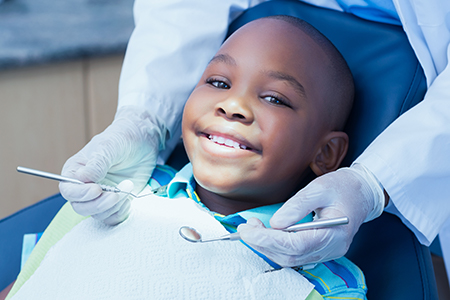
Every visit is an opportunity to evaluate more than just the teeth. A thorough pediatric exam includes an assessment of the gums, bite, jaw growth, and oral habits that can influence development. Our clinicians review medical history, observe oral function, and look for signs of early dental disease.
Dental x-rays are used selectively and with modern digital systems to minimize exposure while giving a clear picture of tooth development below the surface. These images help detect hidden decay, evaluate the position of erupting teeth, and guide treatment decisions when necessary.
Cleanings are tailored to each child’s needs. We remove plaque and polish the teeth, then offer practical, age-appropriate tips for brushing and flossing at home. Parents receive clear direction on how to support daily hygiene and how dietary choices can affect oral health.
Oral care begins with the first tooth. Parents are encouraged to bring their child in around the first birthday so we can review preventative measures and answer questions about teething, feeding practices, and daily routines. Early visits set expectations and create positive first experiences.
Simple practices — like wiping gums after feedings and avoiding bottle-for-sleep with milk or juice — reduce the risk of early decay. As teeth emerge, we guide parents on gentle cleaning techniques and when to introduce a soft-bristled toothbrush and a smear of fluoride toothpaste.
Teething can be uncomfortable for infants; we discuss safe soothing strategies and when to call if symptoms seem unusual. By staying proactive in these early years, families can prevent common problems and protect the primary teeth that hold space for permanent successors.
As children move into elementary school and beyond, their dental needs change. Permanent molars arrive, orthodontic considerations emerge, and social factors like self-image become more important. We work with families to plan care that supports healthy development and a confident smile.
Protective treatments such as sealants are often recommended for newly erupted back teeth, and ongoing hygiene coaching helps children take ownership of their oral care. We also review sports safety and the importance of mouthguards for contact and high-impact activities.
For adolescents, we monitor wisdom tooth development and discuss early orthodontic screening when jaw growth or tooth alignment suggests it may be helpful. Our approach is collaborative: we explain options clearly so families can make informed choices at each stage.
Comfortable visits are essential to building long-term, positive relationships with dental care. Our team uses proven behavior guidance techniques to make exams and simple treatments accessible for most children. We create a warm environment and take time to explain procedures in kid-friendly terms.
Some children have special health care needs, strong anxiety, or medical conditions that require a personalized plan. We assess each child individually and coordinate care to ensure safety, comfort, and effective treatment — adapting our communication and approach to suit the child and family.
When more involved procedures are necessary, we discuss options and what to expect so parents can feel confident about the plan. Our priority is to minimize stress and help children leave the appointment feeling empowered and reassured.
Begin regular dental visits early to establish familiarity and trust
Keep daily brushing and flossing consistent with parental support until independent
Avoid prolonged bottle use with sugary liquids and encourage water between meals
Bring children in for routine checkups and professional cleanings as recommended
Model good oral hygiene and make brushing a fun, family activity
Choose nutritious snacks and minimize sticky, sugary treats that cling to teeth
Offer guidance to help break pacifier or thumb-sucking habits at the appropriate age
Use a properly fitted mouthguard for sports and active play to protect developing teeth

Children’s active lives mean bumps, falls, and occasional dental trauma are possible. Knowing immediate steps — like rinsing a mouth after a blow, saving a dislodged tooth in milk, or applying gentle pressure to stop bleeding — can make a difference before professional care is available.
We provide prompt, focused care for common urgent issues such as toothaches, broken or chipped teeth, and soft tissue injuries. The goal is to relieve pain, protect the tooth or surrounding structures, and plan appropriate follow-up treatment.
Early attention to dental trauma or infection reduces the risk of complications and helps get your child back to their usual routine with comfort and confidence. Our team is experienced in managing pediatric emergencies sensitively and effectively.
Regular dental exams include evaluation of facial growth and jaw development. Detecting irregular patterns early allows us to advise on timing for orthodontic evaluation or other interventions that guide proper alignment. When specialized care is needed, we collaborate with pediatric dental specialists and orthodontists for coordinated treatment.
Diet plays a powerful role in oral and overall health. Nutrient-dense meals support strong teeth and gums, while frequent exposure to sugary or acidic foods increases decay risk. We offer clear, practical nutrition tips for parents and children to protect developing teeth without making eating feel restrictive.
At every stage—infant, child, or teen—our approach centers on prevention, comfort, and education. Maryville Family Dentistry is committed to giving families clear guidance and dependable care so children can grow up with healthy, confident smiles. Contact us to learn more about pediatric dental services and how we can support your child’s oral health.
Children should have their first dental visit by their first birthday or within six months of the first tooth erupting. Early appointments allow the team to check for proper development and identify risk factors for decay. These visits also help parents learn daily care techniques that protect primary teeth.
Establishing a dental home early promotes familiarity with the office and reduces fear of future visits. At Maryville Family Dentistry we use calm, age-appropriate exams to make first visits positive and informative. We provide personalized guidance on teething, feeding habits, and oral hygiene during this time.
A pediatric checkup evaluates teeth, gums, bite, and oral habits while reviewing medical history and growth milestones. The clinician inspects for early signs of decay, monitors eruption patterns, and assesses oral function such as swallowing and speech-related movements. The visit also includes age-appropriate education for children and practical guidance for caregivers.
Cleanings are tailored to the child's needs and may include gentle plaque removal and polishing. When indicated, digital x-rays are used selectively to view developing teeth below the surface. The team explains findings and recommends preventative steps such as fluoride or sealants when appropriate.
Daily brushing with a soft-bristled brush and an age-appropriate amount of fluoride toothpaste is the cornerstone of cavity prevention. Parents should supervise brushing until the child can reliably clean all tooth surfaces, typically around age six to eight. Consistent flossing after teeth contact each other further reduces plaque buildup between teeth.
Reducing sugary snacks and frequent sips of juice or sports drinks lowers decay risk by minimizing acid exposure. Regular dental visits allow early identification of trouble spots and application of protective measures like fluoride varnish and sealants. Modeling good oral habits and making oral care a positive routine help children maintain healthy teeth long term.
Dental x-rays are an important diagnostic tool used selectively for children when clinical exams indicate a need. Modern digital radiography uses much lower radiation doses than older film techniques and includes safeguards such as lead aprons and thyroid collars. The decision to take x-rays balances risk and benefit, with the goal of detecting problems that are not visible during a routine exam.
When images are taken, exposure is minimized through fast sensors and targeted imaging protocols appropriate for a child's size and developmental stage. Digital x-rays can reveal hidden decay, assess eruption patterns, and guide treatment planning with minimal exposure. Parents are encouraged to ask the dental team about the purpose and frequency of any recommended radiographs.
Fluoride strengthens enamel and helps prevent decay when used at appropriate ages and concentrations. In-office fluoride treatments are quick and safe, and they complement regular use of fluoride toothpaste at home. The dental team can advise on the right fluoride routine based on your child's age, risk factors, and local water fluoridation.
Dental sealants are thin protective coatings applied to the chewing surfaces of molars to block grooves where decay commonly starts. Sealants are most effective on newly erupted permanent molars but may also be used on primary molars when appropriate. Application is painless, requires no drilling for healthy teeth, and can be checked and refreshed during routine visits.
Dental teams use proven behavior guidance techniques such as tell-show-do, positive reinforcement, and distraction to make visits comfortable and predictable for children. Explaining steps in simple language, allowing the child to handle instruments when safe, and maintaining a calm tone can reduce fear and build cooperation. Parents are encouraged to stay involved during visits unless a different arrangement is recommended for clinical reasons.
For children with strong anxiety or special needs, the team develops individualized strategies that may include shorter appointments, familiarization visits, or use of calming techniques. When warranted for the child's safety and comfort, options such as nitrous oxide or coordinated care with specialists can be discussed as part of a treatment plan. Clear pre-visit instructions and a consistent routine help children feel prepared and more secure.
Seek prompt dental attention for persistent pain, bleeding that does not stop, a knocked-out permanent tooth, or signs of infection such as swelling or fever. Immediate steps include rinsing the mouth with water, applying gentle pressure to stop bleeding, and, for an avulsed permanent tooth, keeping it moist in milk or saliva while seeking emergency care. Timely care can improve the chances of saving a tooth and reduce the risk of complications.
For chipped or broken teeth, save any fragments and bring them to the appointment; for severe injuries, limit activity and monitor the child for concussion symptoms. The dental team prioritizes pain control and stabilizing injured structures before planning longer-term treatment. If you are unsure whether a situation requires urgent attention, contact the dental office for guidance.
The American Association of Orthodontists recommends an orthodontic screening by age 7 to identify developing bite problems and jaw growth concerns. Early evaluation allows monitoring of eruption patterns and may reveal issues that benefit from interceptive treatment or timely referral. Not every child needs early orthodontic treatment, but screening helps determine the optimal timing for intervention if needed.
If the dental team observes crossbites, severe crowding, spacing issues, or asymmetrical jaw growth, they will discuss options and refer to a specialist for further assessment. Collaborative care between general and specialty providers ensures a coordinated plan based on the child's growth and dental development. Parents can expect clear explanations about recommended timing, expected goals, and any follow-up steps.
Frequent exposure to sugary and acidic foods and drinks increases the risk of tooth decay by feeding cavity-causing bacteria and lowering oral pH. Encouraging water between meals, offering nutrient-dense snacks, and limiting sticky or slowly dissolving sweets reduce decay risk. Balanced meals that include dairy, lean proteins, fruits, and vegetables support strong teeth and overall development.
Meal and snack timing matters because salivary flow helps neutralize acids; grazing throughout the day prolongs acid attacks on enamel. Parents should be mindful of nighttime bottles or sippy cups with milk or juice, which can promote early childhood caries. The dental team can provide practical, age-appropriate nutrition advice to help families protect developing teeth without creating overly restrictive diets.
Children with special health care needs may require tailored appointment scheduling, modified techniques, or additional coordination with medical providers to ensure safe and effective dental care. The practice works with caregivers to create individualized care plans that address medical history, behavioral triggers, and communication preferences. Staff receive training in behavior guidance and adaptations to make exams and procedures as comfortable and efficient as possible.
When necessary, the team coordinates with pediatric dentists, physicians, or anesthesiologists to provide comprehensive care, including safe use of sedation or specialized operative settings. Clear pre-visit planning, longer appointment times, and familiarization visits can help reduce anxiety and improve outcomes. Families are encouraged to discuss specific needs before the visit so the office can prepare and provide appropriate accommodations.
Email: