
Our Office
Visit Us Online


If a dentist tells you a tooth needs a root canal, it’s natural to feel uneasy — but modern root canal therapy is a safe, predictable way to stop pain and preserve a natural tooth. Compared with extraction and replacement, saving your own tooth usually offers the best outcome for chewing function, jawbone health, and long-term oral stability. The goal of treatment is straightforward: remove the source of infection or inflammation, protect the surrounding tissues, and restore the tooth so it can continue to function comfortably.
At Maryville Family Dentistry, we combine thoughtful, patient-centered care with up-to-date techniques to make root canal treatment as comfortable and effective as possible. Our team prioritizes clear explanations, gentle handling, and treatment plans that protect your overall oral health while respecting your preferences.
A treated natural tooth behaves more like your original tooth than most replacements. Root canal therapy preserves the root and surrounding structures, which helps maintain the natural relationship between teeth and supports the health of the jawbone. When a tooth is extracted, even well-made restorations can’t fully replicate the feel, function, or protective role of the original root.
Success rates for contemporary root canal treatments are high, and many teeth that receive proper care go on to function for decades. Saving a tooth also simplifies oral hygiene and often avoids additional procedures that may be needed when a tooth is removed, such as bridges, removable appliances, or implant placement. For these reasons, dentists commonly recommend root canal therapy when the underlying structure of the tooth can be safeguarded.
Choosing to preserve a natural tooth is a decision based on the tooth’s condition, the amount of remaining structure, and the overall health of the surrounding bone and gums. Your dentist will explain the likely prognosis and the restoration needed afterward so you can make an informed decision about your care.

Every tooth contains a central chamber of soft tissue called the dental pulp — nerves, blood vessels, and connective tissue that are essential while a tooth develops. When that tissue becomes inflamed or infected because of deep decay, trauma, or repeated procedures, the nerve can send strong warning signals. Those signals often appear as persistent or worsening pain, sensitivity, or swelling.
Not every unpleasant sensation means a root canal is required, but there are common signs that warrant prompt evaluation. Some teeth produce clear symptoms, while others show changes only on X-rays. That’s why routine exams and radiographs are valuable: they can reveal problems before they progress to more serious infection.
Recognizing early signs and seeking care quickly makes a meaningful difference. Timely treatment can reduce the need for more invasive interventions and help prevent spread of infection to adjacent teeth or bone.
Below are some of the more common warning signs that may indicate the need for root canal therapy:
Pain that doesn’t go away, gets worse at night, or wakes you from sleep is a red flag. This type of persistent discomfort often stems from irritation or infection deep inside the tooth and should be evaluated promptly.
Teeth that flare with hot or cold and remain sensitive after the source is removed may have pulp inflammation. Sensitivity that lasts for many seconds or causes sharp pain suggests a deeper issue than routine enamel sensitivity.
Discomfort when chewing or applying pressure can indicate that the inner tissues are compromised or that an infection is affecting the roots and surrounding bone.
A tooth that turns gray, brown, or darker than its neighbors may have internal changes from trauma or chronic inflammation of the pulp. While not every discolored tooth needs a root canal, it’s a sign to investigate.
Injuries that expose or stress the inner structures of a tooth can allow bacteria to reach the pulp. Even small fractures can lead to deep inflammation if bacteria penetrate the protective outer layers.
Swollen gums, a pimple-like bump on the gum, or an abscess are signs of infection. These conditions often require root canal therapy combined with appropriate management to resolve the infection and preserve the tooth.
Advanced infections or inflammation can affect the bone that stabilizes a tooth, producing mobility. Stopping the source of infection with root canal treatment frequently allows healing and recovery of supporting tissues.

Some teeth that need treatment never cause dramatic pain and are first discovered during a routine exam or on an X-ray. Other teeth declare themselves loudly. In either case, timely diagnosis gives you the best chance of preserving the tooth with less extensive treatment and a quicker recovery.
Delaying care can allow infection to progress, increasing the likelihood of surrounding bone involvement, swelling, or the need for additional procedures. Early intervention often results in simpler treatment, fewer appointments, and a more predictable outcome.
When we recommend root canal therapy, it’s because we believe it’s the most reliable way to address the problem while retaining your natural tooth. We’ll explain the reasons for our recommendation and what to expect during and after treatment so you can plan with confidence.
Root canal therapy focuses on removing inflamed or infected tissue from inside the tooth, cleaning and shaping the canals, and sealing them to prevent reinfection. With modern diagnostic tools and refined instruments, the procedure is typically performed under local anesthesia and is much more comfortable than many people expect.
Some teeth can be treated in a single visit, while others — particularly those with complex anatomy or active infection — may require a couple of appointments to fully sanitize the canals and allow any infection to settle. Your dentist will tailor the plan to the tooth’s needs and communicate the anticipated timeline clearly.
For patients who feel anxious about dental procedures, sedation dentistry options are available to reduce stress and improve comfort. Regardless of the approach, the steps of treatment are methodical: isolate the tooth, remove the diseased tissue, clean and shape the canal spaces, and fill them with a biocompatible material. A restoration, often a crown, is recommended afterward to protect the tooth and restore full function.
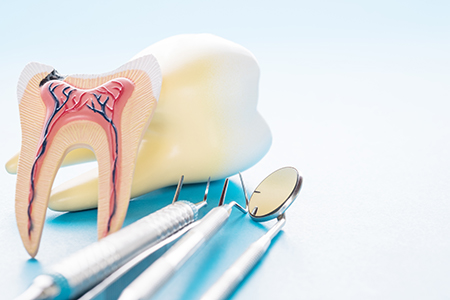
After treatment, most people feel immediate relief from the acute toothache that brought them in. Mild soreness for a few days is normal as surrounding tissues settle and heal; your dentist will give guidance on pain control and any medications if needed. It’s important to follow aftercare instructions and to be cautious with chewing on the treated tooth until it has a permanent restoration.
Even after a successful root canal, a treated tooth needs protection because it can be more brittle than an unrestored tooth. Placing a crown or another durable restoration restores strength and prevents future fractures. With good oral hygiene and regular dental checkups, a well-treated tooth can last for many years — often for the rest of a patient’s life.
Common post-treatment points to keep in mind include:
Anesthesia can leave your lip or tongue numb for an hour or two. Avoid chewing on the treated side until sensation returns to prevent accidental injury.
Some tenderness when biting or slight inflammation is normal and typically resolves within a few days. Over-the-counter pain relievers usually manage these symptoms; your dentist will advise if something stronger is necessary.
If antibiotics are prescribed to address an infection, take the full course as directed. Stopping early can allow bacteria to persist and complicate healing.
A temporary filling or restoration may be placed initially. Because the tooth can be vulnerable to fracture, plan to have a permanent crown or restoration placed within the timeframe recommended by your dentist.
Continue brushing and flossing carefully. Keeping the surrounding teeth and gums healthy supports the long-term success of the treated tooth.
With attentive follow-up and appropriate restoration, a tooth that has had root canal therapy can provide years of reliable service. If you notice persistent pain, swelling, or other concerning changes after treatment, contact the office promptly for evaluation.
At Maryville Family Dentistry, our team is committed to helping you understand your options and feel comfortable at every step. If you’d like to learn more about root canal therapy or discuss whether it’s the right choice for your situation, please contact us for more information.
A root canal is a dental procedure that removes inflamed or infected soft tissue from inside a tooth, cleans the canal spaces, and seals them to prevent reinfection. The treatment preserves the tooth root and surrounding structures so the tooth can continue to function in chewing and support jawbone health. Root canal therapy is recommended when deep decay, trauma, or repeated dental work has compromised the pulp and left the tooth at risk of persistent infection.
Preserving a natural tooth with root canal therapy often avoids the need for extraction and subsequent replacement options, which can be more complex over the long term. A treated tooth can remain in the mouth for many years when it is properly restored and cared for. Your dentist will review the prognosis and restoration plan so you can make an informed decision about treatment.
Common warning signs include ongoing deep tooth pain, sharp or prolonged sensitivity to hot or cold, and pain when biting or touching the tooth. Other indicators can be swelling of the gums, a pimple-like bump on the gum, or a tooth that has changed color compared with neighboring teeth. Some teeth produce few symptoms but show signs of infection on X-rays, which is why routine exams and radiographs are important.
Not every ache requires root canal treatment, but persistent or worsening symptoms warrant prompt evaluation to prevent progression. Early diagnosis often allows simpler, more predictable care and reduces the risk of spreading infection to surrounding bone or adjacent teeth. If you notice mobility, discoloration, or drainage near a tooth, schedule an exam sooner rather than later.
Diagnosis begins with a clinical exam that may include visual inspection, percussion and palpation tests, and thermal or electric sensitivity testing to assess the pulp. Radiographs are used to evaluate the extent of decay, the presence of periapical radiolucency, and the relationship of the tooth to nearby anatomy. In complex cases or when standard images are inconclusive, three-dimensional imaging can reveal anatomy and infection that influence treatment planning.
At Maryville Family Dentistry the dental team combines clinical findings with radiographic information to determine whether root canal therapy is the most appropriate option. Your dentist will explain the reasons for the recommendation and outline the expected steps and timeline. When necessary, a referral to an endodontist for specialty care is an available option to address challenging anatomy or persistent infection.
Root canal treatment usually begins with local anesthesia and isolation of the tooth so the area stays clean and dry. The dentist creates a small access opening, removes the inflamed or infected pulp tissue, then carefully cleans and shapes the canals using specialized instruments. Once the canals are disinfected, they are filled with a biocompatible material to seal them against future contamination.
In some teeth the entire procedure can be completed in a single visit; other teeth with complex anatomy or active infection may require two appointments to ensure thorough cleaning. A temporary filling is placed after treatment and a permanent restoration is scheduled to restore strength and function. Your dentist will give specific instructions for follow-up care and the timing of the final restoration.
Modern root canal therapy is typically performed under local anesthesia, so most patients experience little to no pain during the procedure. Dentists and teams use techniques to ensure the area is numb and comfortable before beginning treatment, and sedation options are available for patients with dental anxiety. Communication with your provider during the appointment helps them adjust anesthesia or comfort measures as needed.
After the procedure, it is common to have mild soreness or tenderness for a few days as tissues heal, and over-the-counter pain relievers usually control this discomfort. If severe pain, swelling, or other concerning symptoms develop after treatment, contact your dentist promptly for evaluation. Proper follow-up care and the placement of a durable restoration reduce the chance of complications and support long-term comfort.
Many patients notice immediate relief from the acute pain that brought them in, but mild soreness and sensitivity can persist for several days while surrounding tissues heal. The degree and duration of discomfort vary based on the severity of the original infection and the complexity of the procedure. Following post-treatment instructions for pain management and activity helps speed recovery and reduce irritation to the area.
A temporary restoration is often placed initially, and a permanent crown or other definitive restoration is recommended within the timeframe your dentist suggests to protect the tooth. Routine follow-up appointments let your dentist confirm healing and the success of the treatment. With proper care and good oral hygiene, a treated tooth can function effectively for many years.
Yes, reinfection is possible if bacteria re-enter the treated canals, if a canal was missed during the initial treatment, or if the tooth fractures and allows leakage. However, modern techniques and careful restoration make reinfection relatively uncommon, and many root canal–treated teeth remain problem-free long term. Regular dental exams and timely placement of a permanent restoration help minimize the risk of reinfection.
If a previously treated tooth becomes symptomatic again, options include nonsurgical retreatment, where the canals are re-cleaned and sealed, or surgical approaches such as an apicoectomy to address persistent infection at the root tip. Your dentist will evaluate the cause and recommend the most appropriate treatment based on the tooth’s condition and overall oral health.
Many teeth benefit from a crown after root canal treatment because a tooth that has had the pulp removed can be more brittle and susceptible to fracture. A crown restores strength, protects the remaining tooth structure, and helps distribute chewing forces evenly. The decision to place a crown depends on the tooth’s location, the amount of remaining structure, and functional demands.
In some situations a large onlay or other durable restoration may be appropriate instead of a full crown, especially for smaller posterior teeth or when sufficient tooth structure remains. Your dentist will discuss the best restorative option to protect the treated tooth and help ensure a long-lasting outcome. Timely restoration is an important step in safeguarding your investment in the procedure.
Yes, several sedation and comfort measures can make root canal therapy easier for anxious patients, ranging from local anesthesia combined with relaxation techniques to nitrous oxide or oral sedation when appropriate. For patients with severe anxiety or specific medical needs, deeper levels of sedation or general anesthesia may be considered in coordination with trained providers. The suitability of each option depends on your medical history, the complexity of the procedure, and the resources of the dental office.
Before choosing a sedation method, your dentist will review your health history, any medications you take, and your previous experiences at the dentist to recommend a safe plan. Clear pre-appointment instructions, such as fasting requirements or accompaniment by a responsible adult, may be provided depending on the type of sedation. Discuss your concerns openly with the dental team so they can tailor care to your comfort and safety.
You should seek dental evaluation promptly if you experience persistent or severe tooth pain, swelling, a pimple-like bump on the gums, difficulty chewing, or trauma that chips or cracks a tooth. Early assessment helps determine whether root canal therapy or another treatment is needed and can prevent infections from worsening or spreading to surrounding bone and tissues. Routine dental exams and radiographs also catch asymptomatic issues before they become acute.
For care or to schedule an evaluation, contact Maryville Family Dentistry so the dental team can assess symptoms, perform necessary imaging, and recommend an appropriate treatment plan. Timely attention typically results in simpler, more predictable care and better long-term outcomes for the affected tooth.
Email: