
Our Office
Visit Us Online


Many people put off dental care because the thought of a procedure makes them nervous. If you experience anxiety, sensitivity, or a strong gag reflex that makes treatment difficult, the office of Maryville Family Dentistry offers sedation options designed to reduce stress and make visits manageable. Our goal is to help patients receive the care they need in a calm, controlled setting so oral health does not suffer because of fear.
Sedation dentistry is not about putting someone to sleep unnecessarily; it’s about tailoring an experience so a patient can remain relaxed and cooperative while clinicians deliver safe, efficient treatment. For people who struggle with dental-related stress or who need longer procedures completed in fewer visits, sedation can transform the experience from stressful to tolerable — and often into something patients say they can handle without dread.
Below you’ll find an in-depth look at how sedation works, who benefits, the common methods we use in a dental office, and what to expect before, during, and after treatment. The content is designed to answer practical questions patients often have while remaining straightforward and clinically accurate.
Dental anxiety ranges from mild nervousness to full-blown phobia. Regardless of where someone falls on that spectrum, sedation dentistry provides a way to address both emotional and physiological responses to treatment. Medications used in the dental setting reduce fear and often decrease physical reactions — such as rapid heartbeat or trembling — so the mouth can be treated without the patient experiencing overwhelming distress.
Many patients report that sedation helps them forget the unpleasant details of a procedure; memory of the event is often reduced, and discomfort is minimized. This is especially helpful for people who have had previous negative dental experiences or for those who feel vulnerable in a clinical environment. Sedation restores a sense of control, allowing patients to focus on the outcome — improved dental health — rather than the moment-to-moment sensations of treatment.
Importantly, sedation is an adjunct to local anesthesia, not a replacement. While sedatives relax the patient, local numbing ensures the treated areas are pain-free. That combination — emotional calm plus effective pain control — is what makes sedation dentistry a practical choice for getting necessary dental care completed comfortably.
There are several clear reasons patients and clinicians choose sedation. Some people have a pronounced fear of dental instruments or sounds, while others cannot tolerate long appointments due to sensitivity or physical discomfort. Sedation is also commonly used when extensive restorative work is planned, allowing multiple procedures to be completed in one visit with less stress for the patient.
Another common reason is a powerful gag reflex, which can interfere with routine exams and treatments. Sedation can suppress this reflex enough for dental professionals to work safely and efficiently. Similarly, children or patients with special needs who cannot remain still for standard care may benefit from carefully managed sedation so essential treatment can proceed.
Finally, patients with heightened dental sensitivity — whether due to thin enamel, exposed roots, or long-standing irritation — sometimes find routine care intolerable. Sedation smooths the experience and allows clinicians to perform necessary preventative or restorative procedures without exacerbating the patient’s discomfort.

Selecting an appropriate sedation method begins with a thorough medical and dental history. Your clinician will review medications you take, existing health conditions, prior reactions to sedatives or anesthesia, and the complexity of the dental work planned. That information guides a personalized recommendation so the level and type of sedation match your safety profile and comfort needs.
Sedation exists on a continuum from light relaxation to deeper sedation. For many patients, mild options are sufficient to relieve anxiety while keeping them responsive and breathing independently. For others, especially when more invasive or time-consuming procedures are scheduled, a deeper but monitored sedative may be recommended to maximize comfort and allow work to proceed efficiently.
Throughout the process, the dental team prioritizes communication. We will explain what to expect, describe any necessary pre-appointment instructions (such as fasting when required), and review post-procedure guidelines so recovery is smooth. An individualized plan reduces surprises and helps patients feel informed and secure before treatment begins.
Preparation varies by sedation type, but typically includes a review of health history and medication use, and clear instructions about eating and drinking when applicable. Patients who receive stronger sedatives are usually asked to arrange for a responsible adult to drive them home after the visit. These steps protect safety and ensure the sedative can take effect as intended.
During the appointment, the dental team closely monitors vital signs, level of consciousness, and overall comfort. Even with lighter forms of sedation, trained staff watch for any changes that could affect safety and will adjust the approach as needed. Communication remains possible with conscious sedation; when deeper sedation is used, monitoring becomes more continuous and precise.
After treatment, recovery depends on the medication used. Nitrous oxide wears off quickly and patients often resume normal activities soon after. Oral and IV sedatives may require a longer period of supervision and rest; patients typically need to avoid driving or making important decisions for the remainder of the day. Your clinician will provide return-to-normal guidelines and follow-up instructions to support a safe recovery.
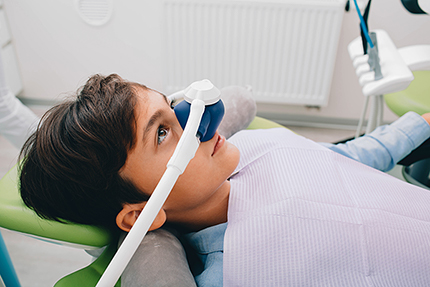
Safety is the foundation of responsible sedation dentistry. Any recommended sedative is chosen based on a patient’s individual health factors and the complexity of the procedure. The dental team is trained to administer sedatives and to monitor breathing, heart rate, and oxygen levels throughout treatment so that adjustments can be made immediately if needed.
Modern sedation protocols rely on careful dosing, continuous observation, and the use of monitoring equipment appropriate to the level of sedation. Staff credentials, equipment readiness, and emergency protocols are all part of delivering sedated care safely. An informed discussion before treatment ensures you understand both the benefits and the precautions associated with the chosen approach.
At Maryville Family Dentistry we emphasize individualized care plans and clear communication. Our clinicians will explain why a particular method is recommended, what safeguards are in place, and how we’ll support you during recovery. That transparency helps patients feel reassured and plays a critical role in maintaining high standards of safety and comfort.
Patients often report that sedation makes lengthy or multiple procedures feel shorter and far less stressful. By reducing anxiety, sedation can improve cooperation during treatment, enabling clinicians to complete care efficiently and with precision. This can be particularly valuable when restoring dental health requires several coordinated steps.
Misconceptions about sedation are common. People sometimes assume it always involves full unconsciousness or that it’s only for extreme cases. In reality, many forms of sedation simply provide relaxation and reduce anxiety while leaving the patient able to respond. The decision to use sedation is collaborative and rooted in a patient’s needs, medical history, and the dental plan.
Understanding both the realistic benefits and the limits of sedation helps patients make informed choices. Your dental team will discuss expected outcomes, how sedation supports comfort and care, and any temporary activity restrictions after your visit so you can plan accordingly.
In summary, sedation dentistry can be a practical, safe way to make dental care accessible for patients who experience anxiety, sensitivity, or difficulty tolerating standard treatment. With careful assessment, individualized planning, and professional monitoring, sedation allows clinicians to deliver thorough, compassionate care in a relaxed environment. Contact us for more information about sedation options and to discuss whether this approach might be right for you.
Sedation dentistry uses medication to reduce anxiety and promote relaxation during dental procedures. It covers a range of effects from mild calming to deeper, closely monitored sedation that decreases awareness and sensitivity. The primary aim is to make treatment manageable while maintaining patient safety and cooperation. Sedation can be applied for routine care as well as for more complex restorative procedures.
Sedatives are an adjunct to local anesthesia rather than a substitute; local numbing addresses pain at the treatment site while sedation helps control fear and physiological responses. Many patients experience reduced memory of the procedure and report less perceived discomfort during treatment. Because sedative effects and monitoring needs vary, clinicians select the appropriate type and level based on the patient’s health and the planned dental work.
Patients who experience moderate to severe dental anxiety, a strong gag reflex, or heightened sensitivity often benefit from sedation. It is also commonly recommended for people who require lengthy appointments or multiple procedures in a single visit to reduce physical and emotional strain. Children and patients with special needs who cannot tolerate standard behavioral management techniques may be considered for tailored sedation plans. A careful medical and dental evaluation helps determine whether sedation is a suitable option.
Not every patient is a candidate for every type of sedation; existing medical conditions, current medications, and past reactions to sedatives are important factors in that decision. Pregnant patients and those with certain uncontrolled medical problems will need special consideration and may be directed to alternative care paths. The clinician discusses risks and benefits so the decision to proceed is collaborative and informed. Safety and individualized care guide the recommendation process.
Common sedation methods include nitrous oxide (laughing gas), oral sedatives taken as a pill, intravenous (IV) sedation, and general anesthesia when deeper control is required. Nitrous oxide produces light relaxation and wears off quickly, making it suitable for shorter procedures and patients who need minimal anxiety relief. Oral sedatives are convenient for moderate anxiety and provide a longer-lasting calming effect, while IV sedation allows precise, rapid control of sedation depth during the procedure. General anesthesia or deeper monitored sedation is used selectively for extensive treatment or when other methods are not appropriate.
Another option sometimes offered is twilight or conscious sedation, which creates a relaxed, semi-awake state while maintaining protective reflexes and spontaneous breathing. Each method differs in onset time, duration, and recovery profile, so clinicians choose based on the planned procedure and the individual’s medical history. The team explains how each option affects responsiveness and memory so patients know what to expect. Monitoring requirements increase with sedative depth, and appropriate equipment and staffing follow those needs.
Choosing an appropriate sedation plan begins with a detailed medical and dental history and a review of current medications, allergies, and past anesthetic experiences. The dentist evaluates the complexity and expected length of the procedure, along with the patient’s anxiety level and ability to cooperate, to recommend a safe and effective approach. Pre-existing medical conditions such as heart or lung disease, sleep apnea, and metabolic disorders factor into the decision and may require consultation with a physician. At Maryville Family Dentistry the team prioritizes an individualized recommendation that balances comfort and safety.
Open communication is essential: patients should provide an accurate health history and ask questions about how different sedatives work, expected recovery, and any necessary pre-appointment steps. The clinician will explain monitoring protocols, possible side effects, and what to bring on the day of treatment, such as a list of medications. Informed consent is obtained after discussing alternatives and addressing concerns. A well-documented plan reduces surprises and supports a smooth appointment.
Preparation varies with the type of sedation but commonly includes fasting for a specified period before appointments involving oral or IV sedatives and arranging for a responsible adult to drive you home afterward. Patients should bring a current list of medications and any recent medical records or physician instructions that could affect care. Avoid alcohol and recreational drugs in the days leading up to sedation and follow specific guidance about taking prescribed medications on the day of the procedure. Clear pre-appointment instructions are provided to protect safety and help the sedative take effect as intended.
On the day of treatment, wear comfortable clothing and limit jewelry or tight accessories that could interfere with monitoring equipment. Plan to have a calm environment and rest after the appointment, as some sedatives produce drowsiness and slower reaction times for several hours. If any illness or changes in health occur before the visit, contact the dental office to confirm whether it is still safe to proceed. Following preparation steps reduces complications and supports a smoother recovery.
During a sedated appointment, trained staff monitor vital signs such as heart rate, blood pressure, oxygen saturation, and level of consciousness to ensure safety and allow timely adjustments. The dental team also uses local anesthesia to control pain at the treatment site while sedatives address anxiety and physical reactions. Communication varies with sedation depth: patients under light sedation are typically responsive, whereas deeper sedation reduces awareness and memory of the procedure. Staff remain present and attentive throughout treatment to respond to any changes.
After the procedure, recovery time depends on the medication used; nitrous oxide dissipates quickly, often allowing patients to resume normal activities soon after, while oral or IV sedatives require a longer observation period and may mandate that patients avoid driving and decision-making for the rest of the day. The clinician provides specific post-procedure instructions about rest, activity restrictions, and signs that warrant contacting the office. A follow-up plan is arranged as needed to confirm healing and address questions.
Safety in sedation dentistry rests on appropriate patient selection, correct dosing, and continuous monitoring with equipment matched to the sedation level, such as pulse oximetry, blood pressure monitoring, and capnography when indicated. Staff administering sedation are trained in airway management, advanced cardiac life support, and emergency response, and the office maintains emergency protocols and readily available resuscitation equipment. Documentation of monitoring and vital signs throughout the procedure is standard practice to ensure prompt intervention if needed. Regular training and equipment checks further support a safe treatment environment.
The practice emphasizes transparency about safeguards and explains how monitoring will be conducted before treatment begins. Patients are informed about who will be present during sedation, what credentials staff hold, and how the team will respond to changes in condition. This clarity helps patients make informed choices and feel comfortable with the level of oversight provided. Clear communication and rigorous procedures work together to maintain high safety standards.
Common, typically mild side effects include drowsiness, lightheadedness, nausea, and temporary memory gaps for the sedated period. More significant risks are uncommon but can include respiratory depression or adverse reactions in patients with certain medical conditions or when sedatives interact with other medications. Careful patient screening, appropriate dosing, and continuous monitoring reduce the likelihood of serious complications. Patients should disclose all medical history and medications to help clinicians identify and mitigate risks.
Any unexpected symptoms after sedation, such as prolonged grogginess, breathing difficulty, persistent nausea, or allergic signs, should prompt immediate contact with the dental office or emergency services. Clinicians review potential side effects during informed consent and provide clear post-procedure instructions to help patients recognize normal recovery patterns versus problems that need attention. When chosen and managed correctly, sedation provides significant comfort benefits while maintaining a favorable safety profile.
Sedation dentistry can enable necessary care for patients who are unable to tolerate standard in-office procedures due to physical, cognitive, or behavioral challenges. For patients with a pronounced gag reflex, sedatives can reduce the reflex sufficiently to allow safe examination and treatment, which improves the clinician’s ability to complete care efficiently. In individuals with developmental disabilities or severe anxiety, sedation may be combined with behavior guidance techniques to minimize stress while ensuring thorough treatment. Each plan is individualized to respect the patient’s needs and safety.
When treating children or patients with special healthcare needs, the dental team coordinates closely with caregivers and, when appropriate, medical specialists to align sedation with existing therapies and health considerations. Consent and clear pre- and post-appointment instructions are provided to caregivers so they understand what to expect and how to support recovery. These collaborative measures help make dental care accessible and effective for patients who otherwise might avoid or postpone treatment.
Key questions include who will administer the sedation and what training and credentials they have, what monitoring equipment will be used, and how the team will handle emergencies. Ask about the expected level of consciousness, how long recovery typically takes, and what specific pre-appointment instructions you must follow to ensure safety. It is also appropriate to request a clear explanation of alternatives to sedation and why a particular method is recommended for your case. These inquiries support an informed, shared decision about care.
Bring a complete list of your medications and medical conditions and ask whether any should be paused or adjusted before the appointment. Request written or verbal instructions about driving, eating, and post-procedure activity restrictions so you can make practical arrangements in advance. If you have a history of reactions to anesthesia or sedation, make sure that is discussed in detail and that contingency plans are in place. A transparent conversation with your dentist builds confidence and prepares you for a safe, comfortable experience.
Email: